
Case Study: Transforming Urban Spaces with Innovative Design Solutions


Urban spaces are the lifeblood of cities, providing areas for community interaction, commerce, and recreation. In recent years, innovative design solutions have been at the forefront of transforming these spaces to meet the evolving needs of urban populations. This case study explores how creative approaches have revitalized city environments, making them more functional, sustainable, and aesthetically pleasing.
Understanding the Need for Change
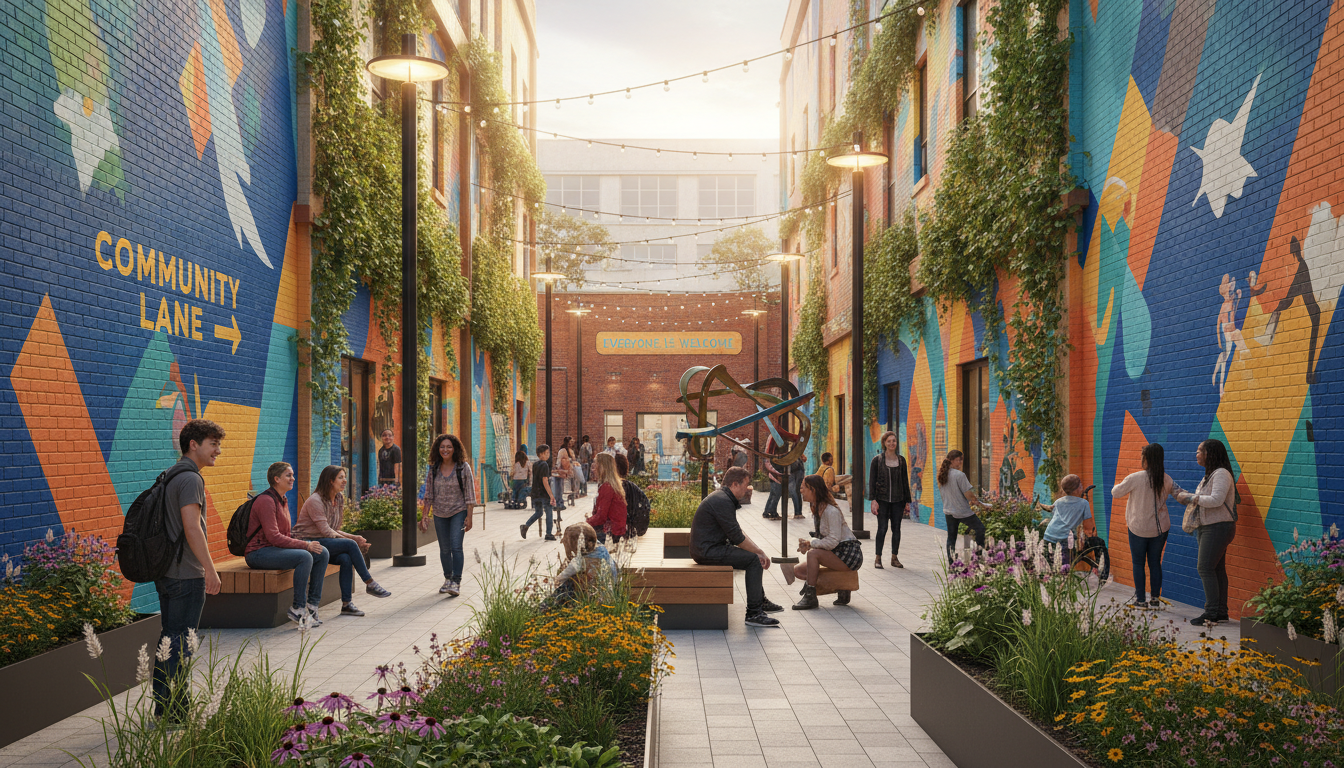
As cities grow, the demand for efficient and inclusive urban spaces increases. Traditional designs often fall short in accommodating diverse populations and activities. The need for transformation arises from various factors, including increased urban density, changing lifestyles, and the demand for sustainable solutions.
Designers and urban planners are now tasked with reimagining spaces that can adapt to these demands. By integrating technology and prioritizing sustainability, they aim to create environments that are not only functional but also enhance the quality of life for residents.
Key Innovations in Urban Design
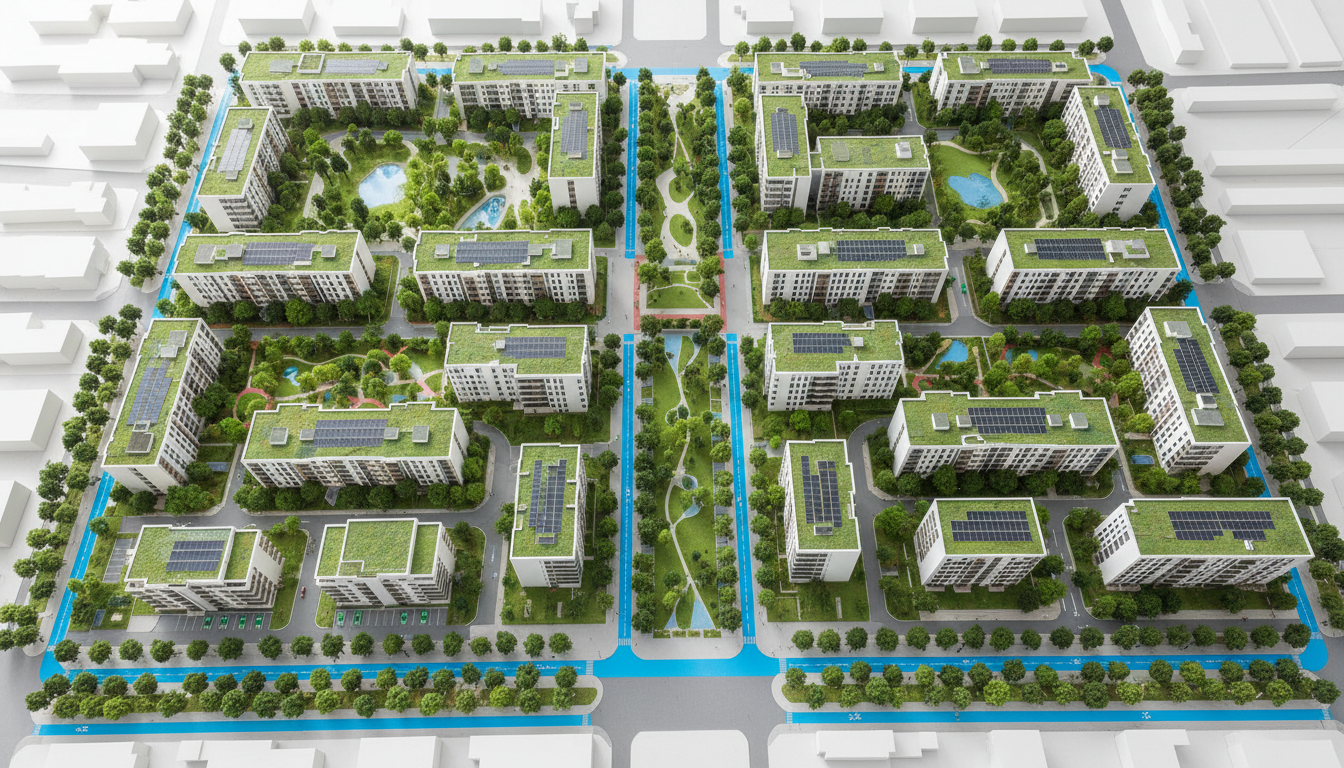
Several innovative design solutions have emerged to address the challenges faced by modern cities. These innovations focus on maximizing space efficiency, promoting green living, and enhancing community engagement. Some of the key strategies include:
- Mixed-use developments: Combining residential, commercial, and recreational spaces to create vibrant, multi-functional environments.
- Green infrastructure: Incorporating parks, green roofs, and vertical gardens to improve air quality and provide recreational areas.
- Smart technology: Utilizing data-driven solutions to enhance connectivity and streamline urban management.
Case Study: A Successful Transformation
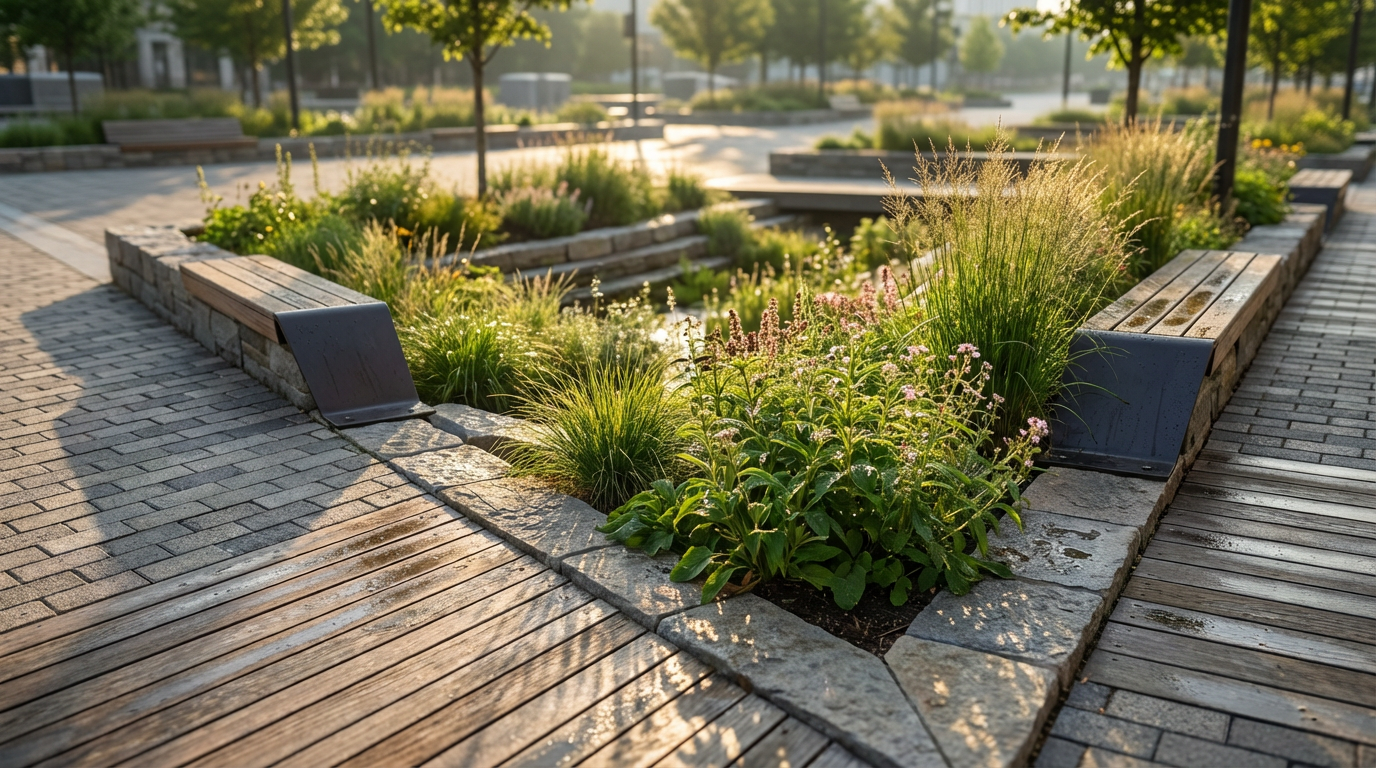
A prime example of successful urban transformation is the redevelopment of a former industrial district into a thriving community hub. This project involved converting old warehouses into modern living spaces, integrating public parks, and establishing cultural venues. The result was a vibrant neighborhood that attracts residents and tourists alike.
The project embraced sustainable practices, such as using recycled materials and implementing energy-efficient systems. By prioritizing the needs of the community, the redevelopment also included pedestrian-friendly pathways and accessible public transportation options.
Community Impact and Benefits
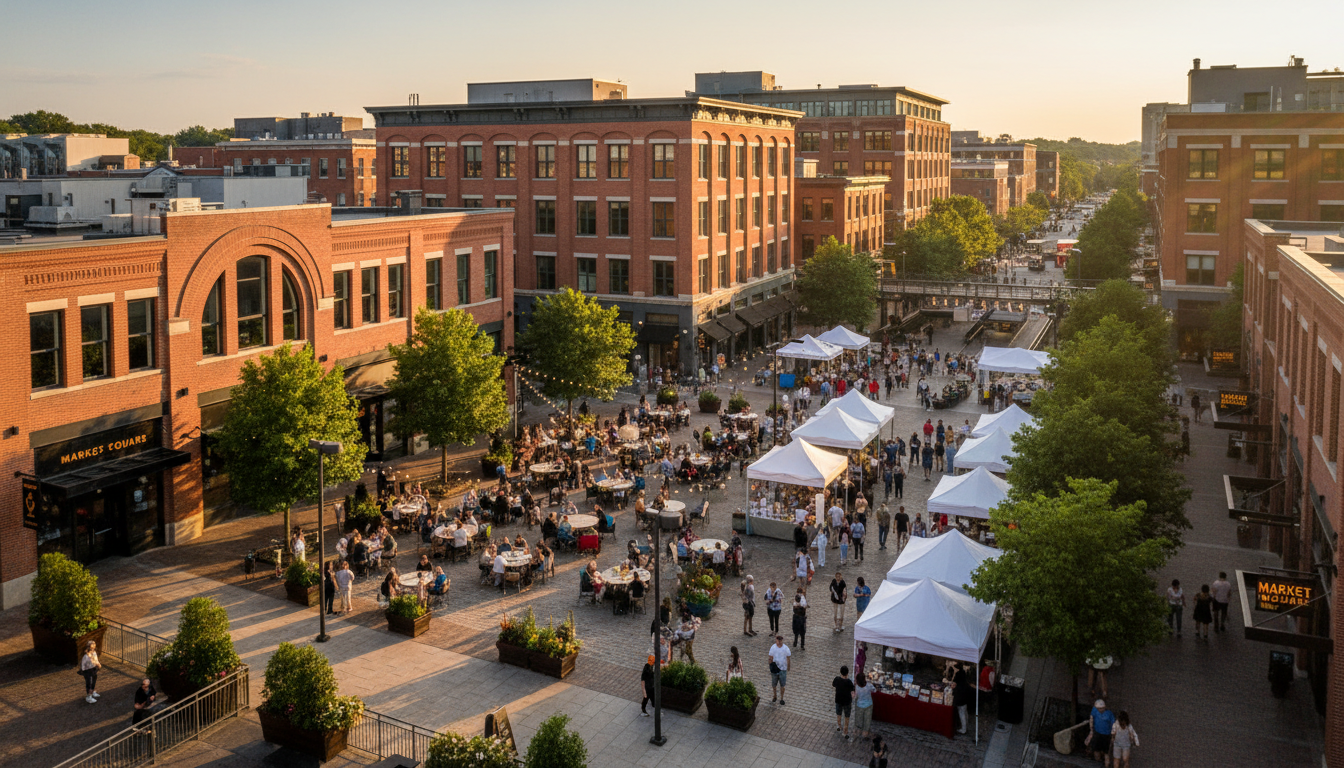
This transformation has significantly benefited the local community. Residents now enjoy access to improved amenities and a sense of identity and pride in their neighborhood. Local businesses have flourished, contributing to economic growth and job creation.
Moreover, the emphasis on green spaces and walkability has encouraged healthier lifestyles and increased social interaction among residents. The project serves as a model for other cities looking to revitalize their urban areas.
The Future of Urban Design
The success of such projects highlights the importance of innovative design in shaping the future of urban living. As more cities recognize the benefits of these strategies, the adoption of creative solutions is likely to increase.
Looking ahead, urban designers will continue to explore new materials, technologies, and methodologies to create adaptive and resilient spaces. The goal is to build cities that are not only sustainable but also capable of fostering vibrant communities and enriching the lives of their inhabitants.