
Common Misconceptions About Commercial Construction Debunked


Understanding the Scope of Commercial Construction
One of the most common misconceptions about commercial construction is that it’s similar to residential construction, just on a larger scale. However, the truth is that commercial construction involves a unique set of challenges and regulations. From zoning laws to accessibility requirements, commercial projects require specialized expertise and planning.
Myth: Commercial Projects Are Always Over Budget
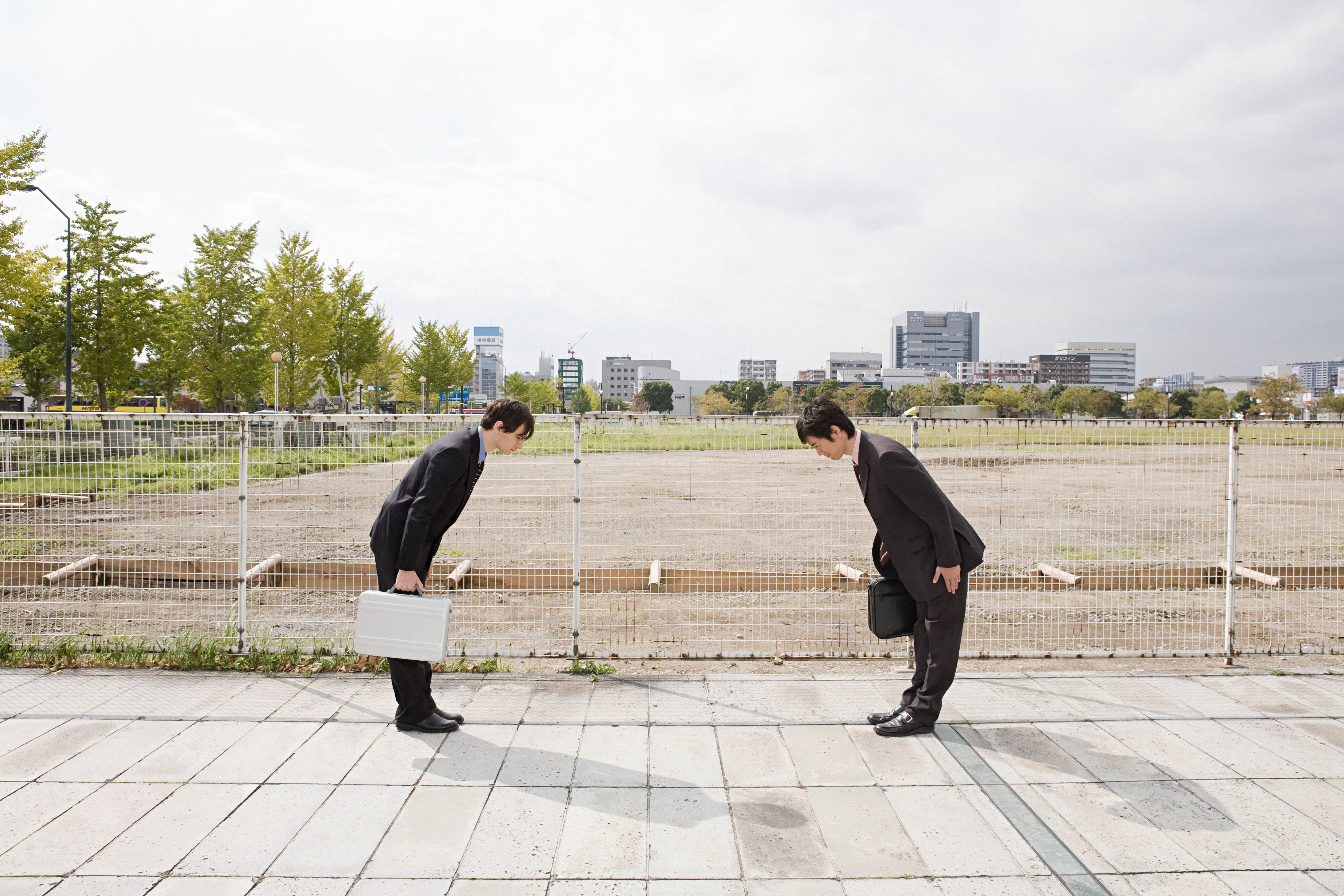
Another widespread myth is that commercial construction projects always exceed their budgets. While it’s true that unforeseen issues can arise, skilled project managers use various strategies to mitigate financial risks. They employ detailed planning, secure fixed-price contracts, and use technology to keep track of expenses.
Here are some strategies that help keep projects on budget:
- Accurate initial estimates: Using experienced estimators reduces cost surprises.
- Regular financial reviews: Ongoing budget assessments ensure spending aligns with financial plans.
- Contingency funds: Allocating funds for unexpected costs helps manage unforeseen challenges.
Misunderstanding the Role of Technology
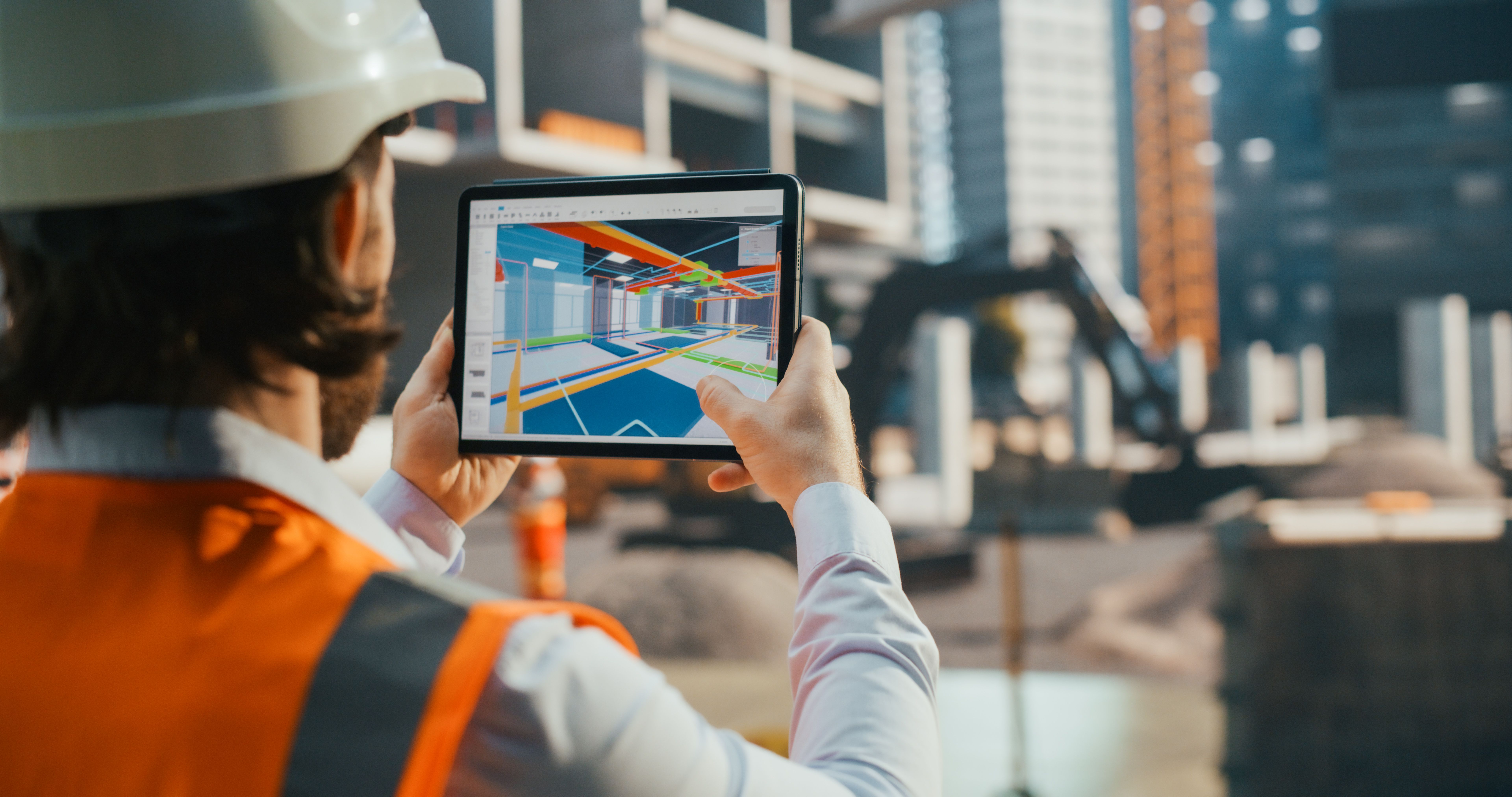
Some believe that technology is not significantly involved in commercial construction. In reality, technology plays a crucial role in modern construction projects. From Building Information Modeling (BIM) that allows virtual walkthroughs to drones that provide aerial site inspections, technology enhances efficiency and accuracy.
Environmental and Safety Concerns
There’s a misconception that commercial construction is environmentally harmful and unsafe. However, many companies prioritize sustainability and safety. Green building practices are increasingly popular, focusing on energy efficiency and sustainable materials. Additionally, rigorous safety protocols are standard to ensure worker and public safety.
Myth: All Commercial Buildings Look the Same
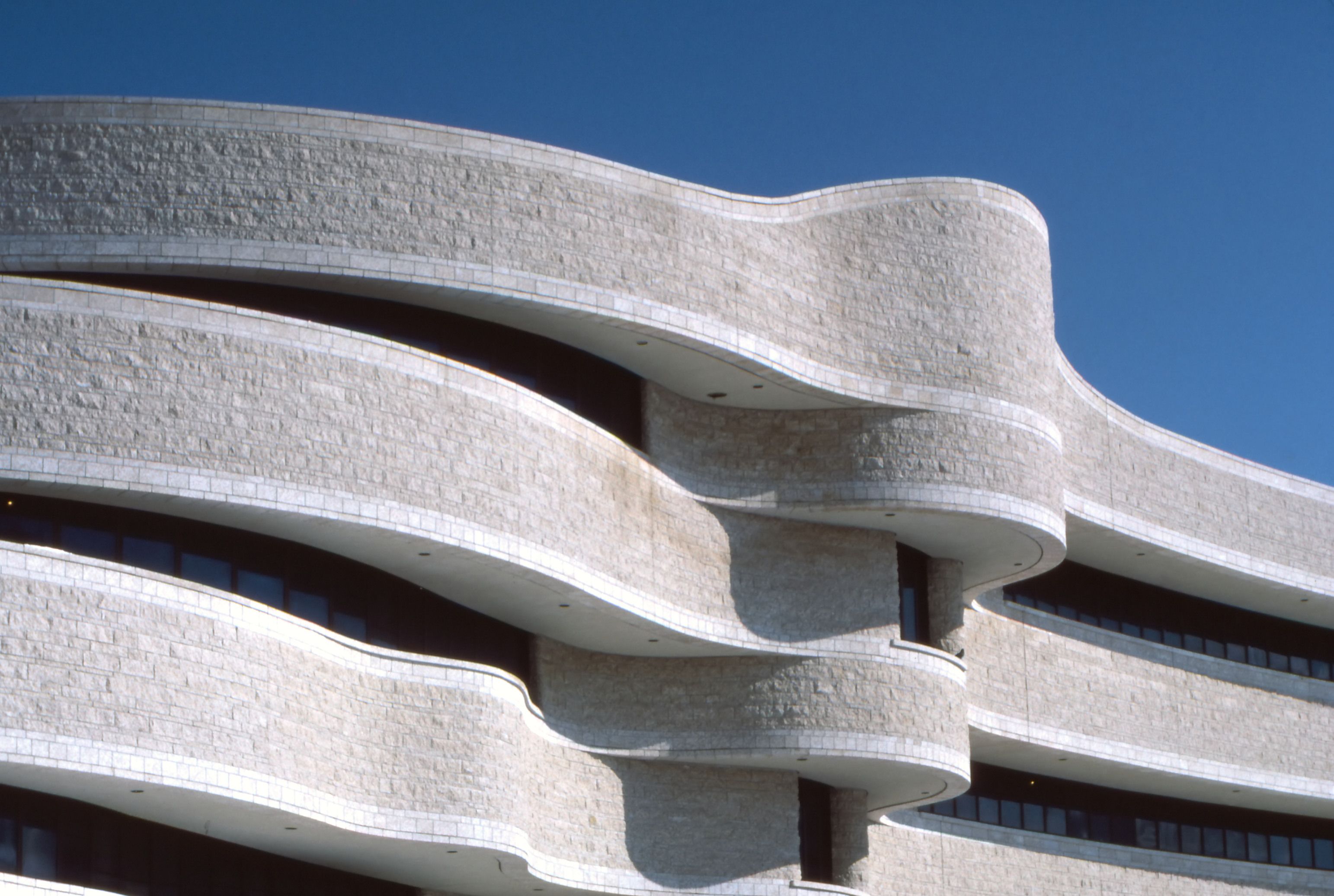
It’s a common belief that commercial buildings lack creativity and architectural diversity. On the contrary, many commercial structures are designed with unique architectural elements that reflect both functionality and aesthetics. From innovative skyscrapers to artistic cultural centers, commercial buildings can be visually striking.
The Importance of Skilled Labor
Lastly, the notion that anyone can work in commercial construction without specialized skills is inaccurate. The industry requires skilled laborers with expertise in areas like electrical systems, plumbing, and structural engineering. Continuous training and certification are essential to maintain high standards and adapt to evolving technologies.