
Common Myths About Commercial Construction Debunked


The Myth of High Costs
One of the most pervasive myths about commercial construction is that it is prohibitively expensive. While it's true that building a commercial structure requires a significant investment, many believe that costs are far higher than they actually are. The reality is that costs vary widely depending on factors like location, materials, and design complexity. By working with experienced contractors, businesses can find cost-effective solutions that meet their needs without breaking the bank.
Moreover, advancements in construction technology have streamlined processes, leading to more efficient use of resources and reduced costs. Modular construction and sustainable building practices are just two examples of how the industry is evolving to offer more economical options.
Time Delays are Inevitable
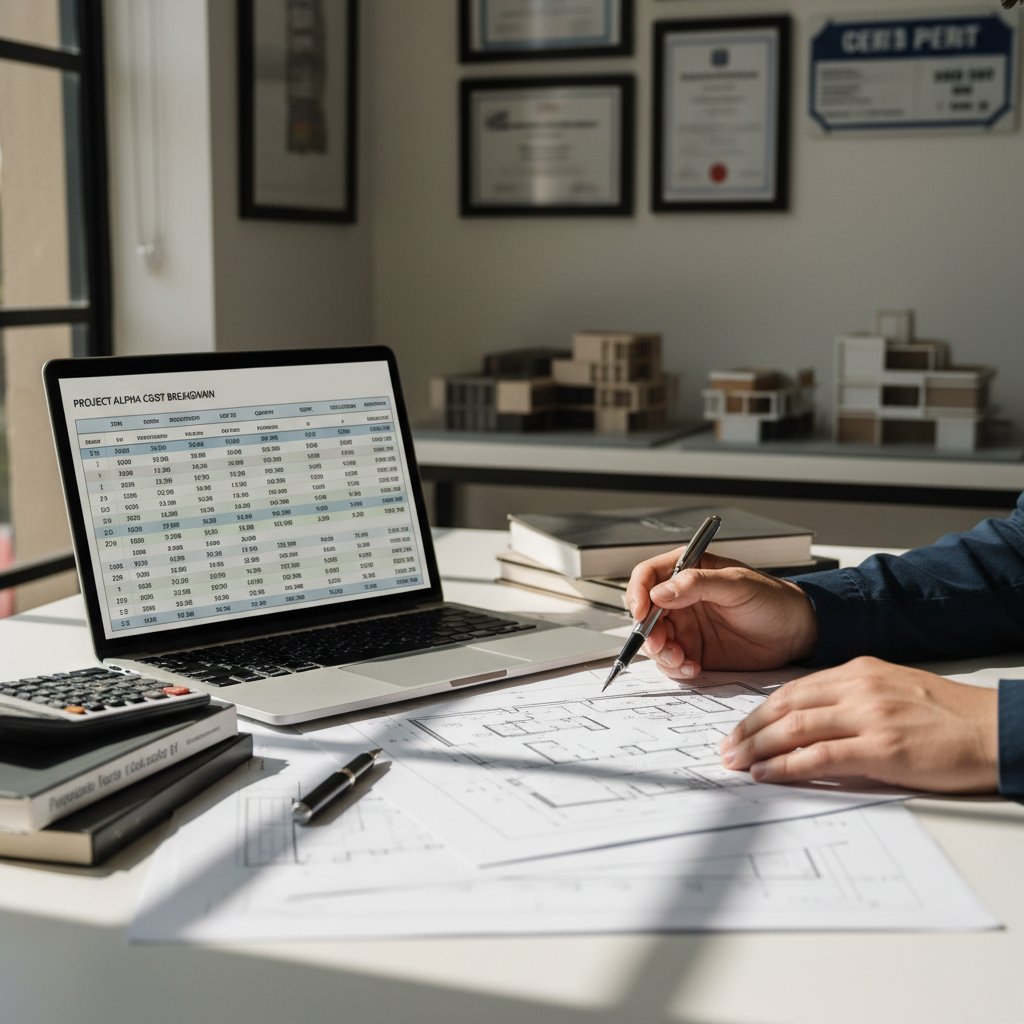
Another common misconception is that commercial construction projects are always subject to significant delays. While unforeseen circumstances can occur, many delays are avoidable with proper planning and project management. A professional construction team will develop a detailed timeline and contingency plans to address potential issues before they arise.
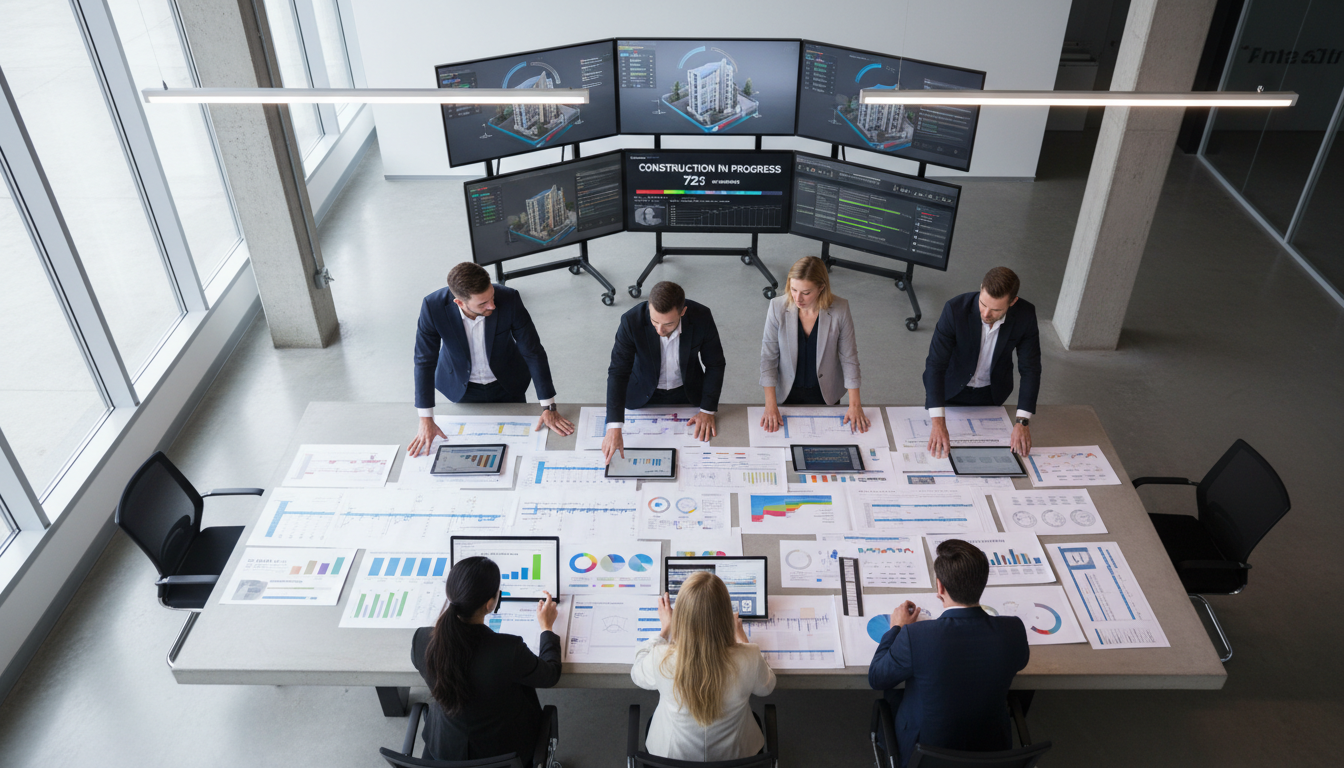
By leveraging project management software and maintaining clear communication among all parties involved, delays can often be minimized or eliminated. Modern construction techniques also contribute to faster completion times, challenging the notion that delays are an inherent part of the process.
Commercial Buildings Lack Sustainability
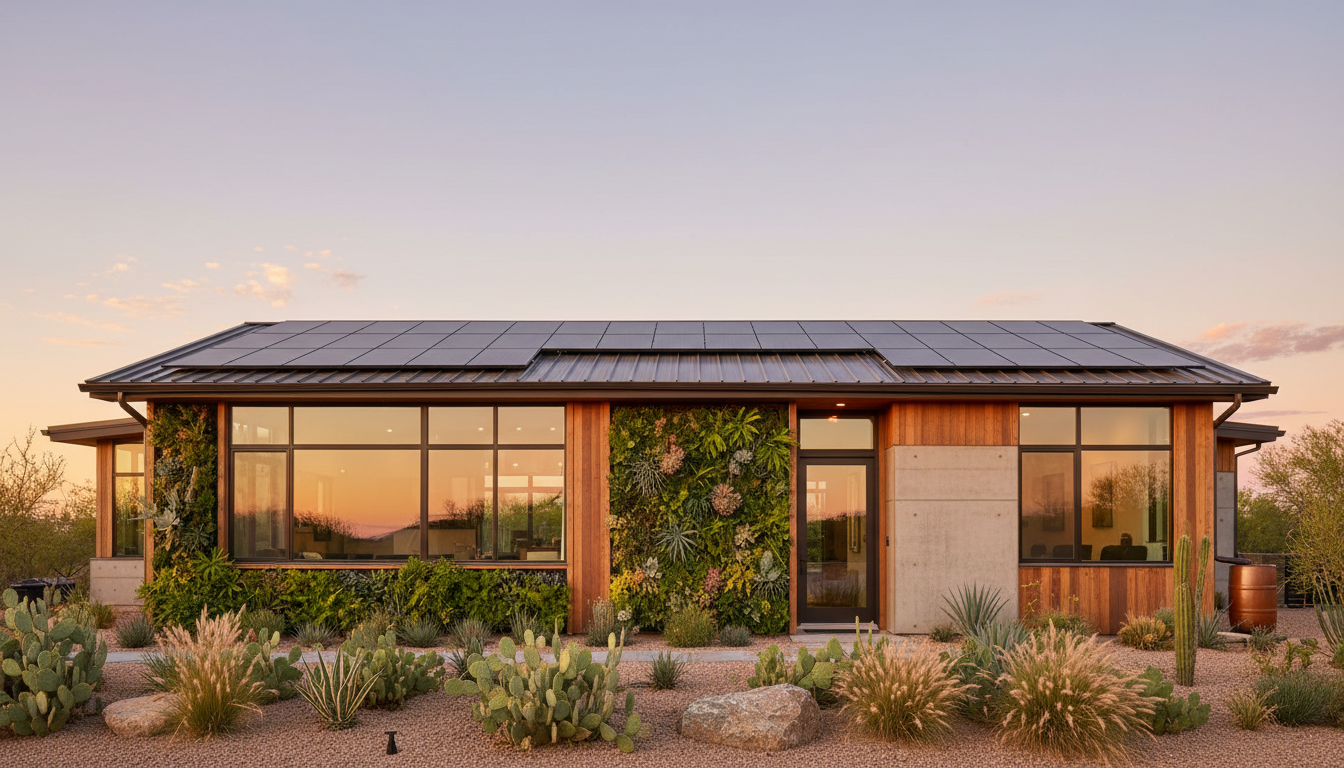
There is a growing belief that commercial buildings are inherently unsustainable and environmentally unfriendly. This myth is rapidly being debunked as more companies prioritize eco-friendly practices. Green building certifications like LEED are becoming more common, and many new commercial structures incorporate energy-efficient systems and sustainable materials.
By integrating renewable energy sources and smart technology, commercial buildings can significantly reduce their carbon footprint. The focus on sustainability not only benefits the environment but also helps businesses save on energy costs in the long run.
Design Flexibility is Limited
Some believe that commercial construction offers limited design flexibility, resulting in cookie-cutter buildings. In reality, modern commercial construction allows for a high degree of customization. Architects and designers work closely with clients to create unique spaces that reflect a company’s brand and operational needs.
From open-plan offices to multi-use facilities, the options are vast and varied. Advances in materials and construction techniques enable innovative designs that were once thought impossible, allowing businesses to create truly distinctive environments.
It's All About the Exterior
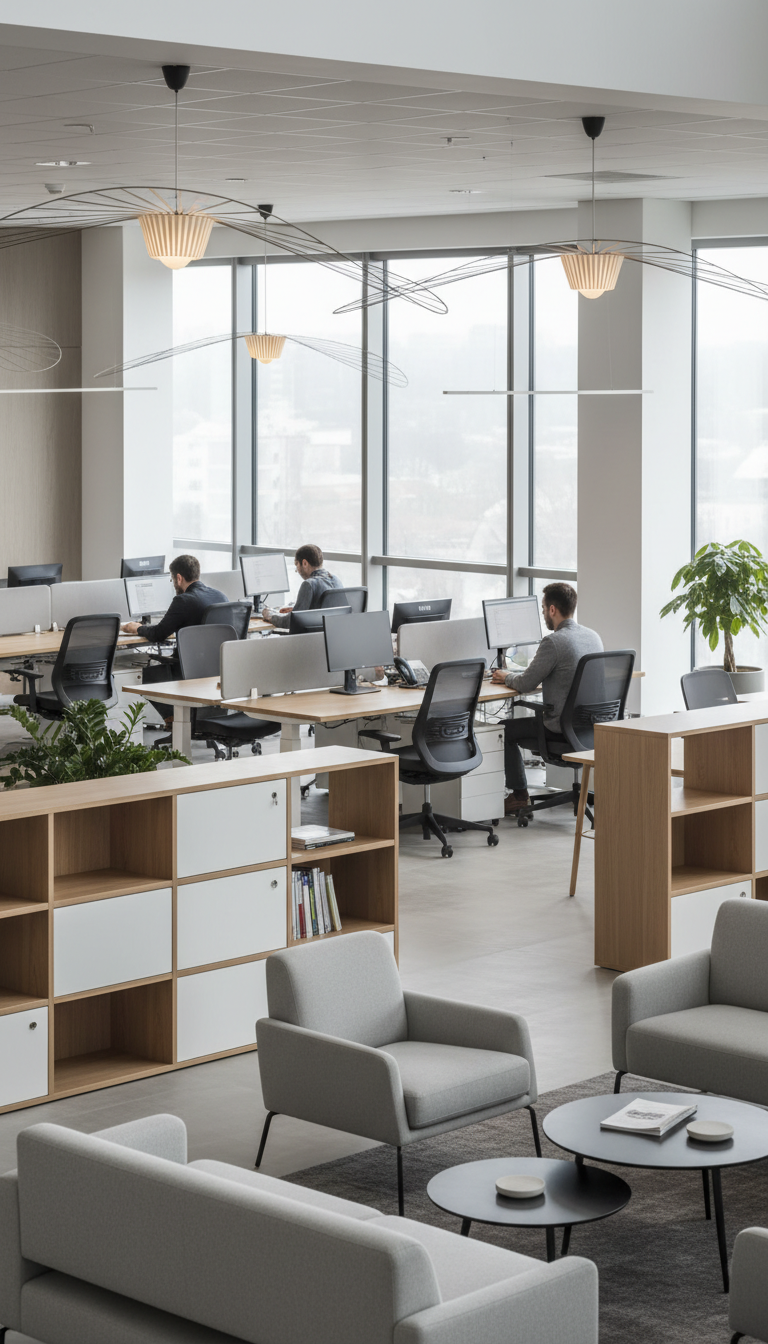
Many assume that commercial construction focuses primarily on the exterior of a building. While curb appeal is important, the interior design and functionality are equally crucial. Modern commercial projects prioritize creating spaces that enhance productivity, comfort, and employee well-being.
Interior elements such as lighting, acoustics, and ergonomics play a significant role in the design process. By considering both interior and exterior aspects, businesses can create environments that are not only visually appealing but also conducive to efficient operations.