
Comprehensive Guide to Commercial Construction in Canada


Understanding the Basics of Commercial Construction
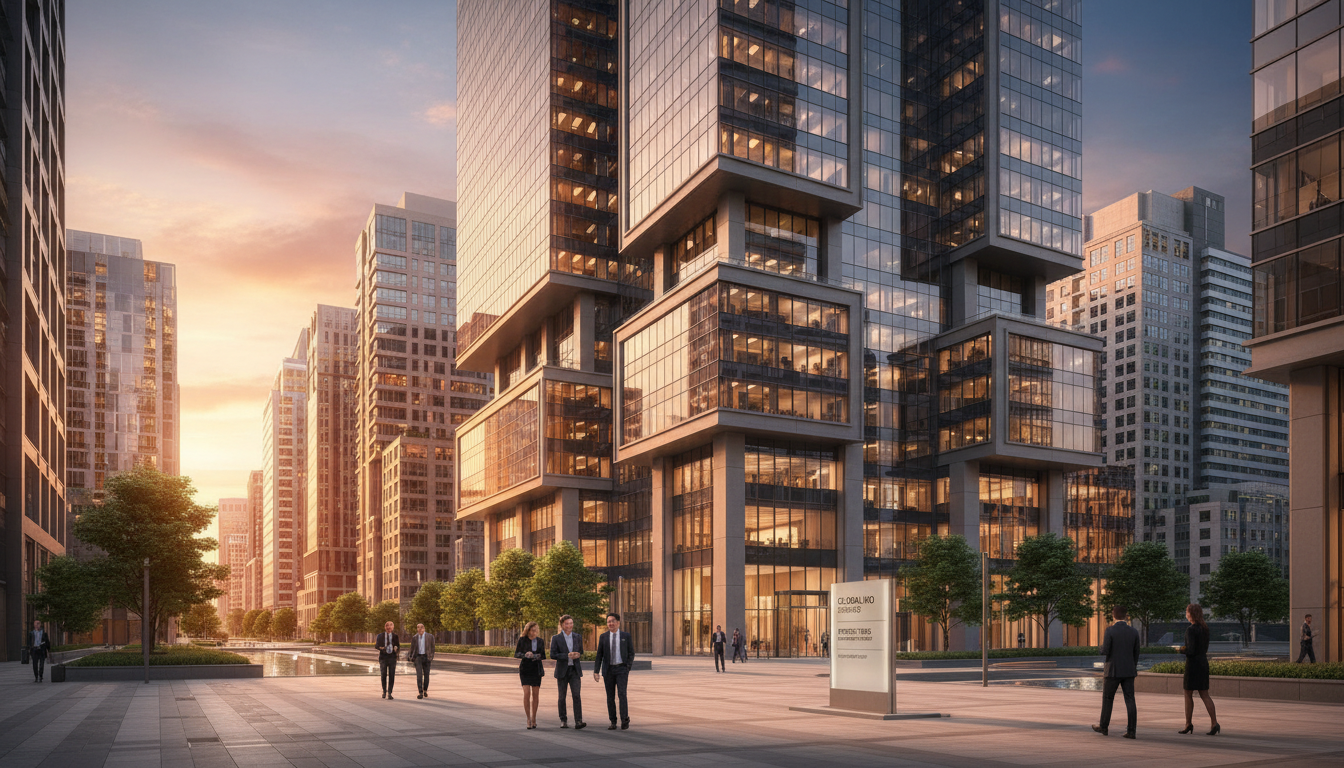
Commercial construction in Canada is a multifaceted industry that involves the creation of structures for business purposes. These projects can range from small retail establishments to large industrial complexes. The process is complex and involves a variety of stakeholders, including architects, engineers, contractors, and government bodies.
Key Players in the Industry
In commercial construction, the major players include developers, architects, and contractors. Developers initiate projects by acquiring land and securing financing. Architects design structures that meet both aesthetic and functional requirements, while contractors are responsible for the physical construction of the buildings. Each party plays a crucial role in ensuring the project is completed successfully.
The Construction Process
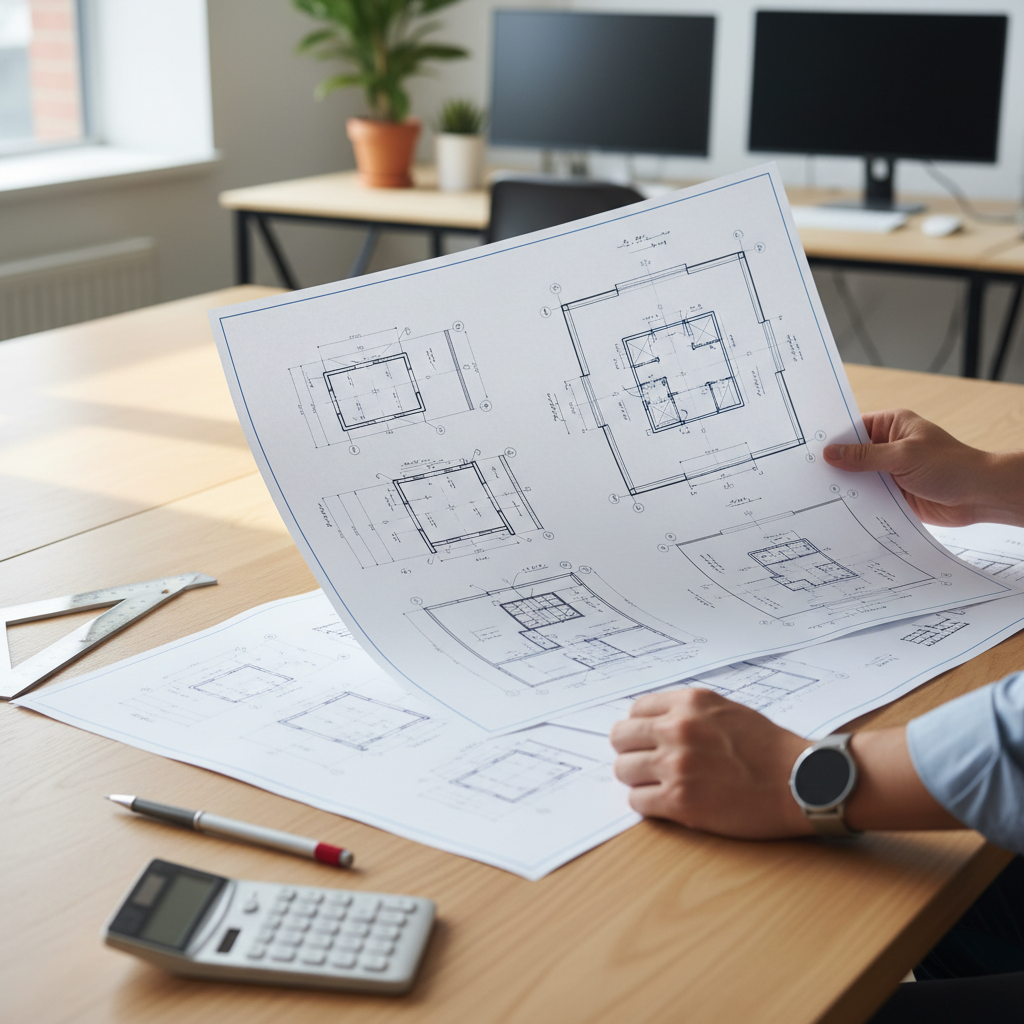
The commercial construction process typically consists of several stages, starting with planning and design. During this phase, detailed blueprints are created, and necessary permits are obtained. The next step is the pre-construction phase, where budgets are finalized and timelines are established.
Construction and Post-Construction
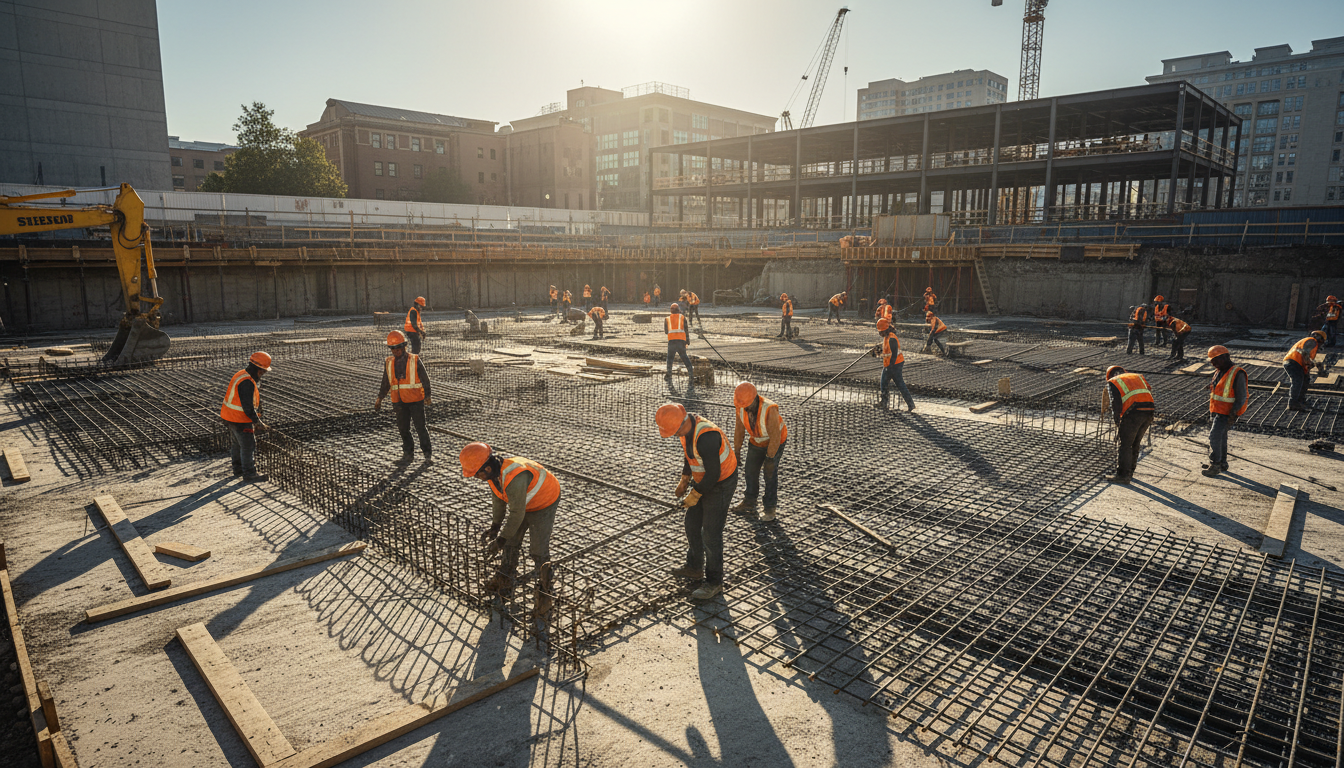
Once everything is in place, the construction phase begins. This involves the actual building of the structure, including foundation work, framing, and installation of systems such as plumbing and electrical. After construction is completed, the project enters the post-construction phase, which includes inspections, obtaining occupancy permits, and addressing any final touches.
Regulations and Standards
Commercial construction in Canada is heavily regulated to ensure safety and sustainability. Builders must comply with national and local building codes, which cover aspects such as structural integrity, fire safety, and accessibility. Environmental regulations also play a significant role, promoting green building practices and energy efficiency.
Challenges in Commercial Construction
Several challenges can arise during a commercial construction project. These include unexpected site conditions, changes in regulatory requirements, and supply chain disruptions. Effective project management and communication are essential to navigate these challenges and keep the project on track.
Trends in Commercial Construction
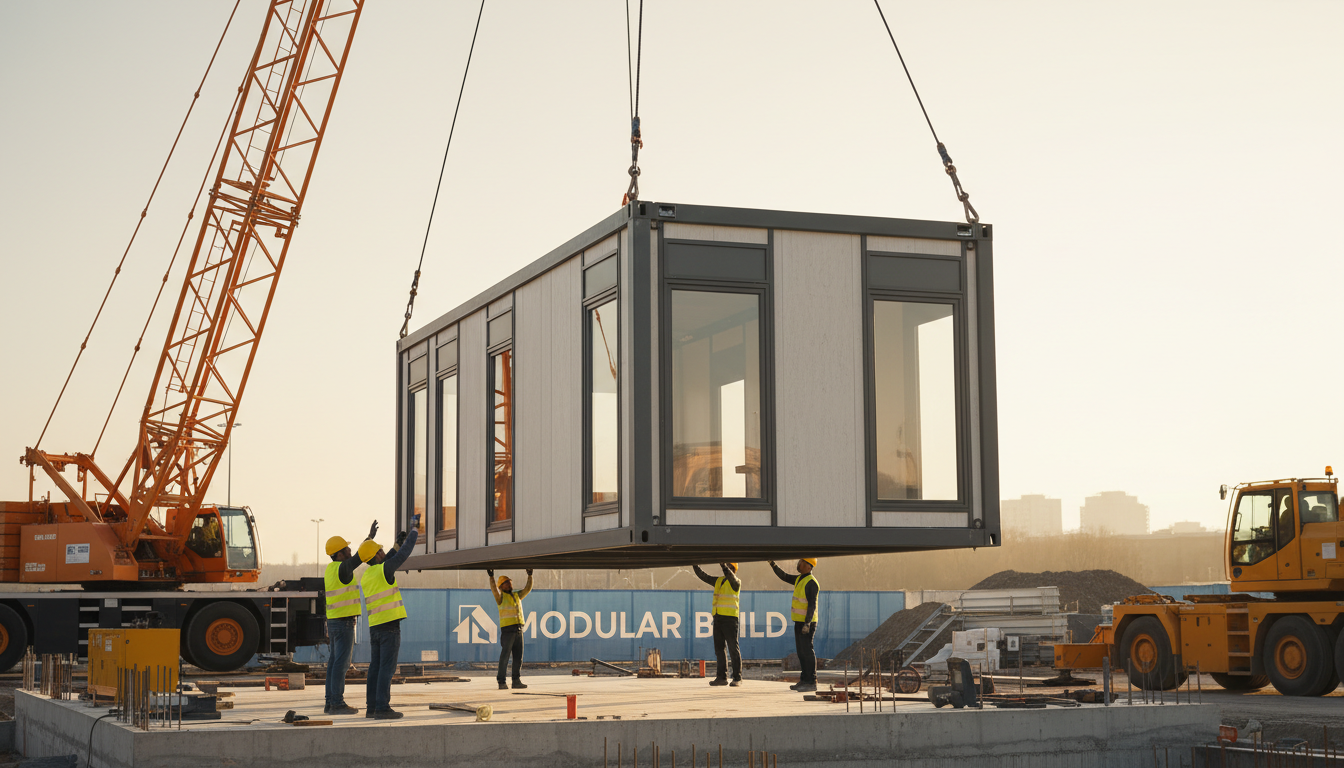
The industry is continuously evolving with new technologies and practices. Trends such as modular construction, the use of sustainable materials, and the integration of smart technology are reshaping how commercial buildings are designed and constructed. These innovations aim to enhance efficiency and reduce environmental impact.
The Future of Commercial Construction in Canada
Looking forward, the commercial construction industry in Canada is poised for growth, driven by urbanization and economic development. Continued investment in infrastructure and a focus on sustainable building practices are expected to drive innovation and expansion. As the industry evolves, staying informed about emerging trends and technologies will be crucial for stakeholders.