
Comprehensive Guide to Commercial Construction in Canada


Understanding the Commercial Construction Landscape in Canada
Commercial construction in Canada is a dynamic field that encompasses the building of structures such as office buildings, shopping centers, hospitals, and more. This industry is vital to the country's economy and involves various stakeholders, including architects, engineers, contractors, and government bodies. Understanding the commercial construction process is essential for anyone involved in or considering entering this field.
Key Players in Commercial Construction
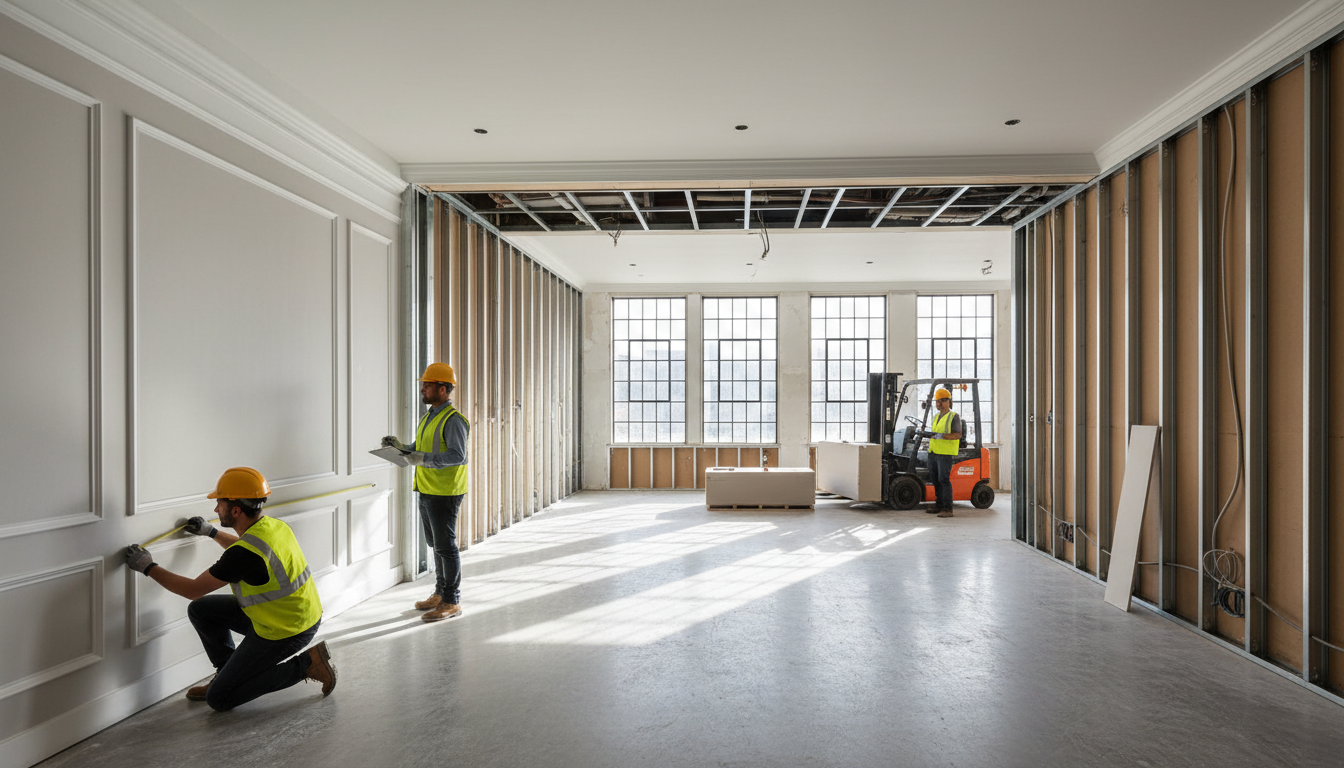
The commercial construction industry is complex and requires collaboration among multiple parties. The key players include project owners, architects, engineers, general contractors, and subcontractors. Each has a specific role in ensuring that the project is completed on time, within budget, and to the required specifications. Effective communication and collaboration among these parties are crucial for successful project delivery.
Project owners are typically responsible for financing the construction project and overseeing its progress. Architects and engineers design the building, while general contractors manage the construction process. Subcontractors are hired to perform specific tasks such as plumbing, electrical work, and landscaping.
Regulatory Framework and Permits
Commercial construction in Canada is governed by a robust regulatory framework. Compliance with building codes, zoning laws, and environmental regulations is mandatory. These regulations ensure that buildings are safe, sustainable, and fit for purpose. Obtaining the necessary permits and approvals can be a complex process, often requiring input from various governmental agencies.

Common Challenges in Commercial Construction
Like any industry, commercial construction faces several challenges. Budget constraints, project delays, and labor shortages are common issues that can affect the timeline and quality of construction projects. Adapting to technological advancements and maintaining a sustainable approach are also significant considerations for modern construction companies.
Addressing these challenges requires strategic planning, efficient resource management, and a proactive approach to risk management. Successful companies invest in training their workforce and adopting innovative technologies to stay competitive.
Technological Innovations in Construction
The construction industry in Canada is increasingly embracing technology to improve efficiency and reduce costs. Building Information Modeling (BIM), drones, and 3D printing are some of the technologies transforming the industry. BIM provides a digital representation of the building process, allowing for better planning and coordination.

Drones are used for site inspections and surveying, providing high-quality data quickly and safely. 3D printing is an emerging technology with the potential to revolutionize how buildings are constructed, offering faster and more cost-effective solutions.
Sustainability and Green Building Practices
Sustainability is a growing focus in commercial construction, with an increasing number of projects incorporating green building practices. This includes the use of eco-friendly materials, energy-efficient systems, and designs that minimize environmental impact. LEED (Leadership in Energy and Environmental Design) certification is a recognized standard for measuring sustainability in construction.
Green building practices not only help reduce environmental impact but also offer economic benefits such as lower operating costs and increased property value. As awareness of climate change grows, the demand for sustainable construction methods is likely to continue rising.
The Future of Commercial Construction in Canada
The future of commercial construction in Canada looks promising, with ongoing investments in infrastructure and urban development. As cities expand, the need for commercial spaces such as offices, retail outlets, and healthcare facilities will continue to grow. Companies that stay ahead by embracing innovation and sustainability will be well-positioned to succeed in this evolving landscape.
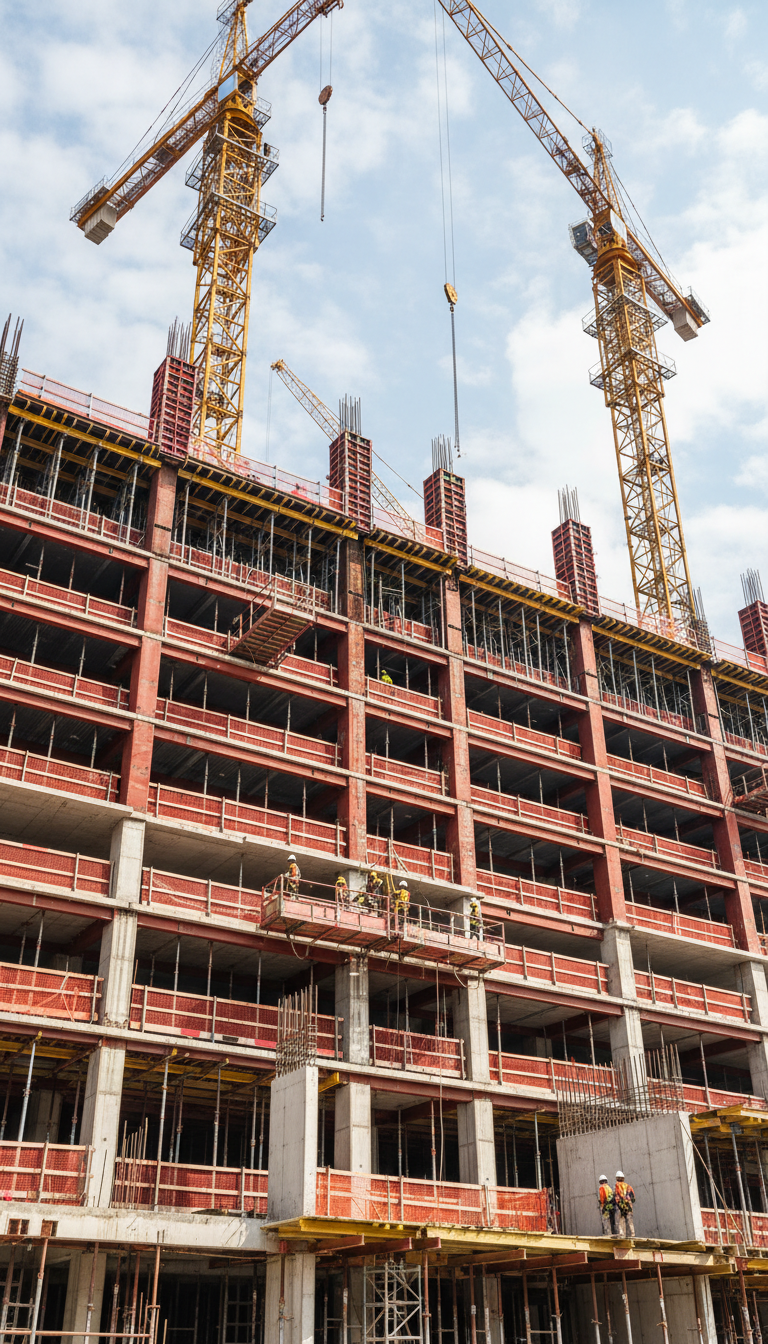
In conclusion, the commercial construction industry in Canada is a vital and ever-evolving sector that plays a critical role in shaping the nation's infrastructure. Understanding the intricacies of this industry, from regulatory requirements to technological advancements, is essential for anyone looking to thrive in this field.