
How to Choose the Right Materials for Your Commercial Construction Project


Understanding the Importance of Material Selection
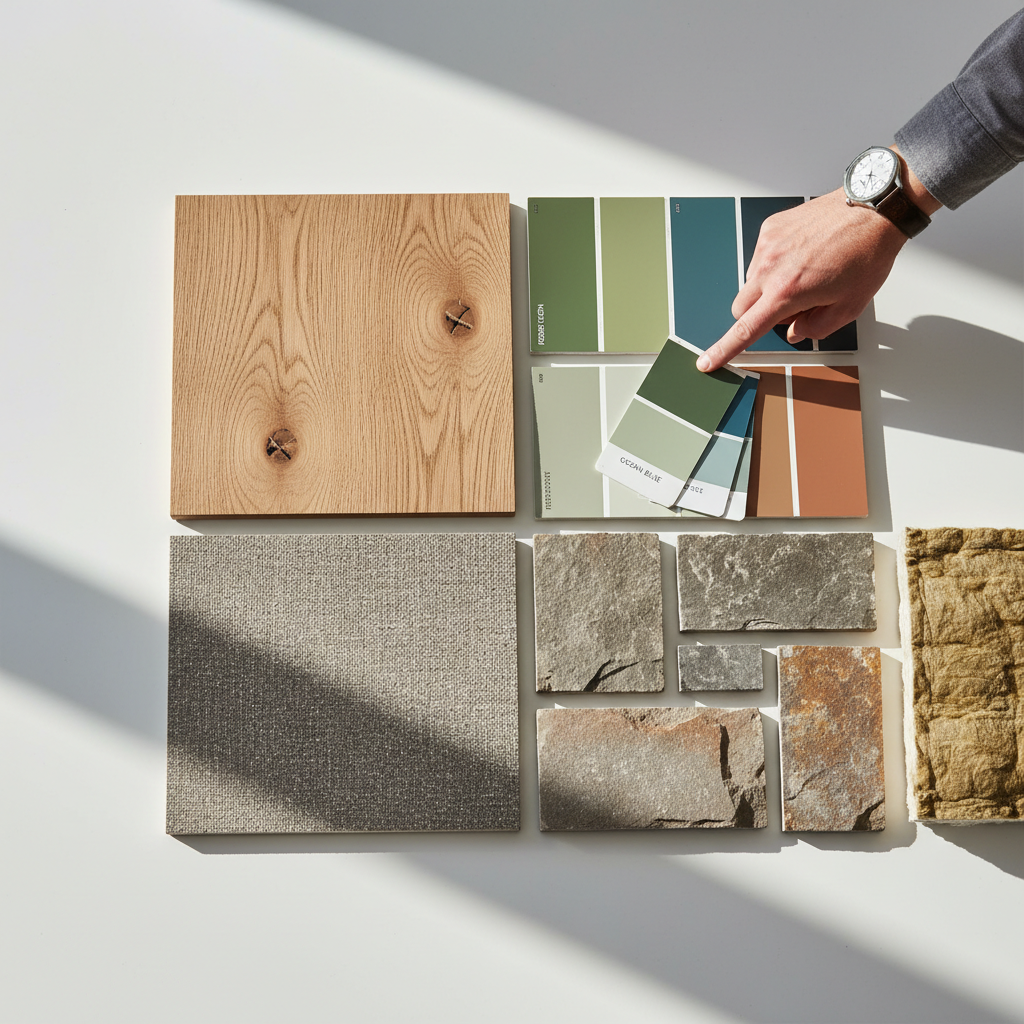
Choosing the right materials for your commercial construction project is crucial for ensuring durability, sustainability, and cost-effectiveness. The materials you choose will impact not only the aesthetics but also the functionality and longevity of the building. Therefore, it’s essential to consider various factors before making a decision.

Assessing Project Requirements
Before selecting materials, it’s vital to assess the specific requirements of your project. Consider the building's purpose, location, and environmental conditions. For example, a coastal building might need materials that resist corrosion, while an office space in a busy city center might prioritize soundproofing.
Consult with architects and engineers to understand the structural needs and design specifications. Their expertise can guide you in choosing materials that align with the overall vision and functionality of the project.
Evaluating Material Durability and Maintenance
The durability of materials is a key consideration in commercial construction. Opt for materials known for their longevity and low maintenance needs. This ensures the building remains in good condition over time, reducing the need for frequent repairs and replacements.

Cost Considerations
While it’s tempting to choose the most cost-effective materials, it’s important to balance initial costs with long-term value. Investing in high-quality materials might have a higher upfront cost, but it can lead to savings in maintenance and energy efficiency over the building’s lifespan.
Prepare a detailed budget that includes potential future expenses, and make informed decisions based on both immediate and long-term financial impacts.
Environmental Impact and Sustainability
Today, sustainability is a top priority in construction. Selecting eco-friendly materials can significantly reduce the environmental footprint of your project. Look for materials that are recyclable, sourced from renewable resources, or boast low energy consumption in their production.
Compliance with Regulations and Standards
Ensure the materials you choose comply with local building codes and regulations. Non-compliance can lead to legal issues and costly modifications. Stay informed about industry standards and certifications, such as LEED, which can guide you toward responsible and compliant material choices.
Working closely with legal and compliance experts can help you navigate these requirements effectively.
Making the Final Decision
Once you have considered all the factors, it’s time to make an informed decision. Compare different materials based on their pros and cons, and involve your project team in discussions to gain diverse perspectives.
Remember, the right material choice will not only enhance the building’s aesthetics and functionality but also contribute to its long-term success and sustainability.