
Innovative Design Trends in Commercial Construction


Embracing Sustainability
The commercial construction industry is experiencing a transformative shift towards sustainability. With growing environmental concerns, builders are integrating eco-friendly practices and materials into their projects. From using recycled materials to implementing energy-efficient systems, sustainability is at the forefront of modern design. Companies are increasingly adopting green building certifications like LEED to demonstrate their commitment to the environment.
Green Roofs and Walls
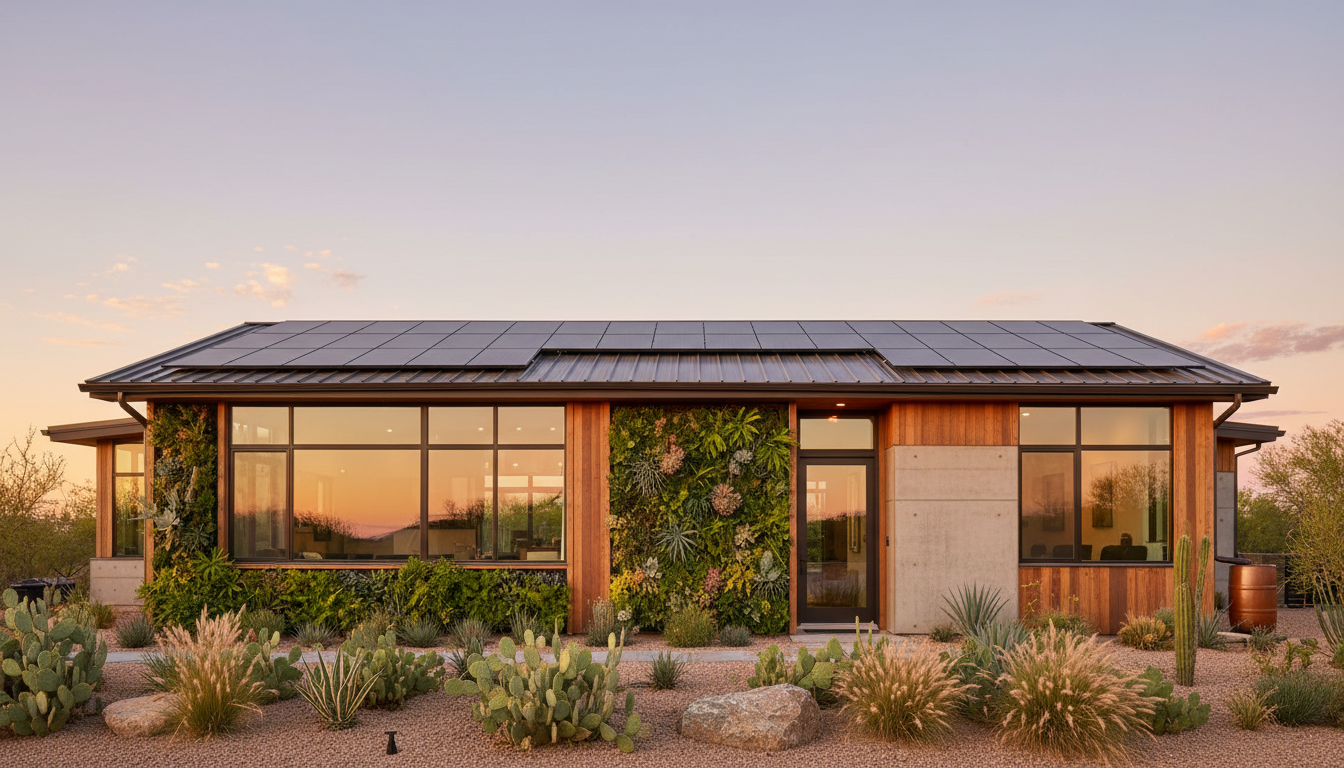
Green roofs and living walls are becoming popular in commercial spaces. These features not only enhance the aesthetic appeal but also provide insulation, reduce stormwater runoff, and improve air quality. By incorporating vegetation into the building design, companies can create healthier environments for occupants while contributing to urban biodiversity.
Focus on Technology
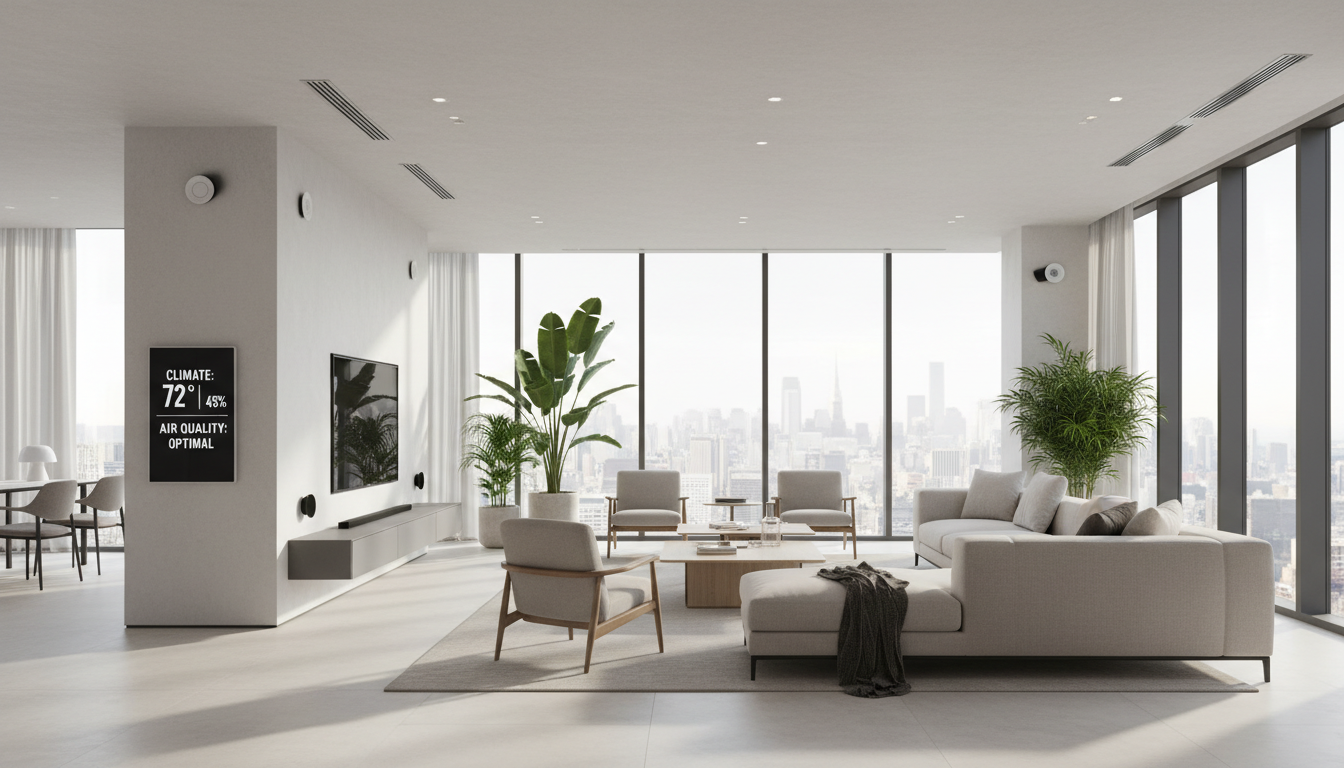
Incorporating technology into commercial construction is more critical than ever. Smart buildings equipped with IoT devices are revolutionizing how spaces are used and managed. These technologies enable real-time monitoring and optimization of energy usage, improving efficiency and reducing costs. Furthermore, they enhance the occupant experience by providing personalized settings for lighting, temperature, and more.
3D Printing in Construction
3D printing is no longer a futuristic concept but a practical tool in construction. This technology allows for the rapid prototyping of building components, reducing waste and cost. By enabling precise and complex designs, 3D printing opens new possibilities for architectural innovation. Its use in creating customized building elements is gaining traction, offering a unique edge in design flexibility.
Flexible and Adaptable Spaces
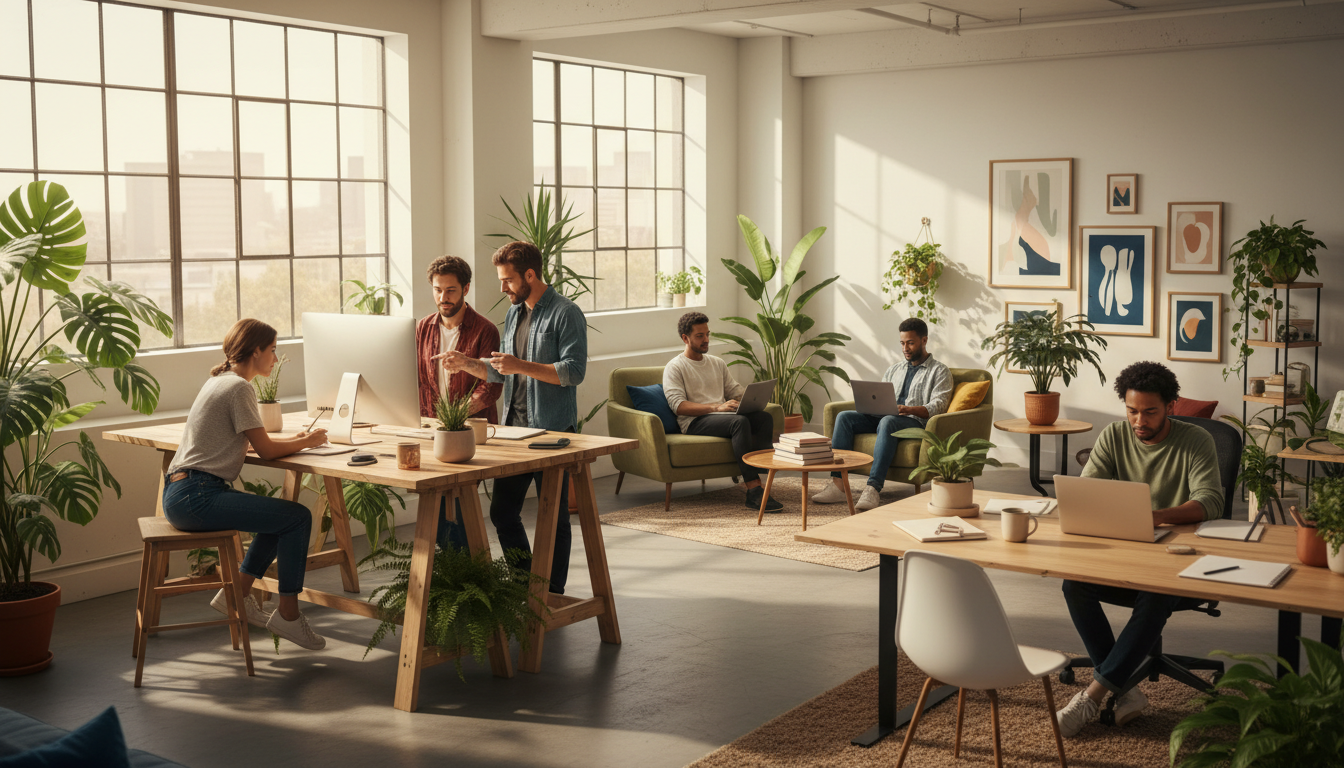
The demand for adaptable spaces is rising as businesses seek to maximize utility. Multi-functional areas that can easily transform to suit different needs are increasingly sought after. This trend is particularly relevant in urban areas where space is limited. By designing flexible environments, companies can optimize their operations and cater to changing demands.
Modular Construction
Modular construction is gaining momentum due to its efficiency and sustainability. By prefabricating building sections in a controlled environment, construction time is significantly reduced, leading to cost savings. This method also minimizes site disruption and waste, making it an attractive option for developers who prioritize speed and sustainability.
Biophilic Design Elements
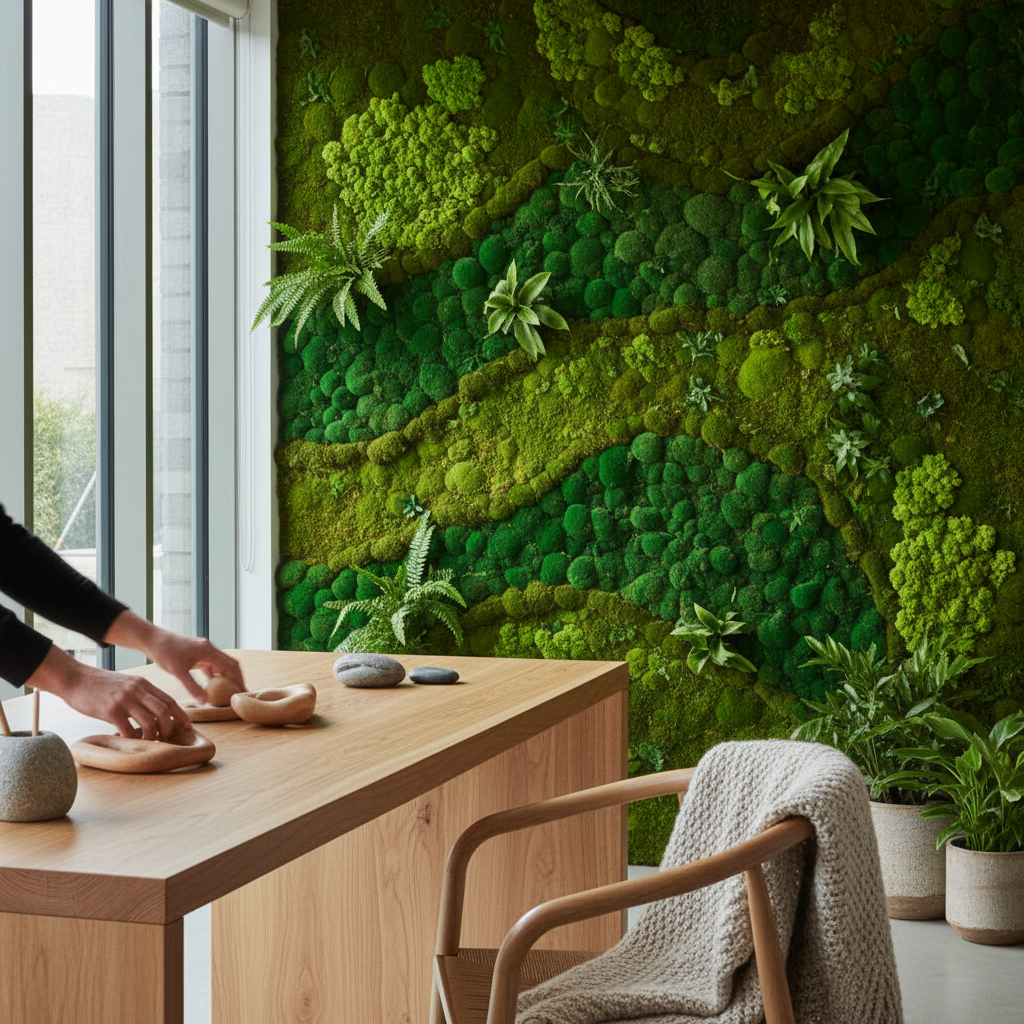
Biophilic design, which incorporates natural elements into built environments, is gaining popularity. This approach aims to connect occupants with nature, enhancing well-being and productivity. Elements like natural lighting, indoor plants, and water features are being integrated into commercial spaces to create calming and inspiring environments.
Health and Wellness Focus
The focus on health and wellness in commercial buildings is more pronounced than ever. Features like advanced air filtration systems, ergonomic furniture, and wellness amenities are becoming standard. By prioritizing occupant health, companies can boost employee satisfaction and productivity, making these investments worthwhile.
In conclusion, innovative design trends in commercial construction are reshaping the industry. By embracing sustainability, technology, flexibility, and wellness, developers can create spaces that are not only functional but also future-ready. These trends reflect a growing understanding of the need for buildings that support both the environment and the people who use them.