
Latest Trends in Commercial Construction: What to Expect


Introduction to Current Trends
The commercial construction industry is evolving rapidly, adapting to new technologies, sustainability demands, and changing client expectations. Staying updated with the latest trends is essential for anyone involved in this dynamic field. From smart buildings to sustainable practices, the future is shaping up to be both innovative and environmentally conscious.
Smart Buildings and Technology Integration
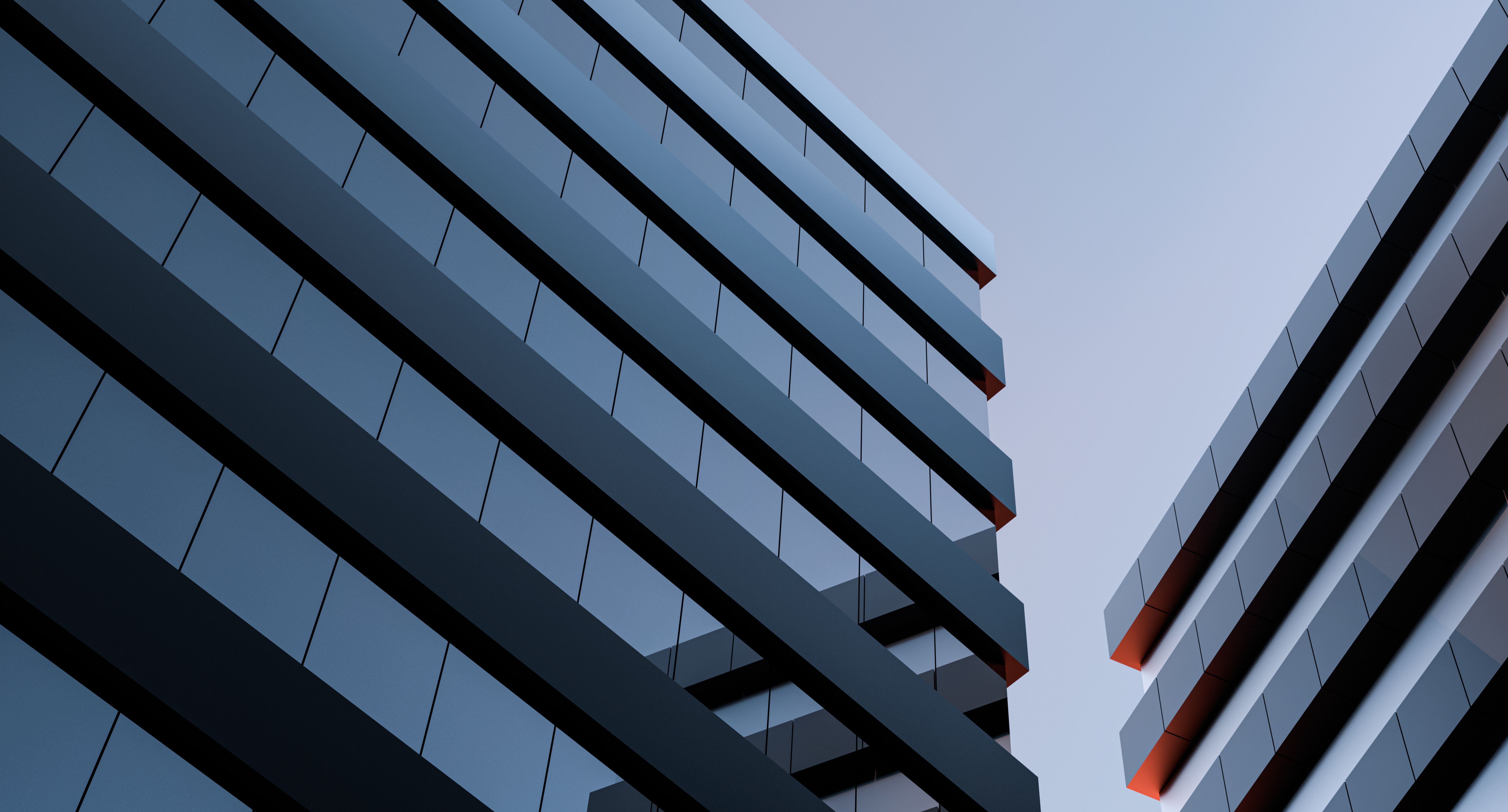
One of the most significant trends in commercial construction is the rise of smart buildings. These structures integrate cutting-edge technology to enhance efficiency and occupant comfort. Features such as automated lighting, climate control, and security systems are becoming standard. The integration of IoT devices allows for real-time monitoring and management, leading to reduced operational costs and increased tenant satisfaction.
Another technological trend is the use of Building Information Modeling (BIM). BIM provides a digital representation of a building's physical and functional characteristics, allowing for better collaboration and decision-making during the construction process. This technology helps in minimizing errors and optimizing resource management.
Sustainability and Green Building Practices
Sustainability continues to be a key focus in commercial construction. There is a growing emphasis on reducing carbon footprints and utilizing eco-friendly materials. Green building certifications, such as LEED, are becoming more sought after, pushing developers to meet stringent environmental standards.

Incorporating renewable energy sources, like solar panels and wind turbines, is also on the rise. These initiatives not only reduce energy costs but also appeal to environmentally conscious tenants and investors. The use of sustainable materials, such as recycled steel and low-VOC products, is another essential aspect of modern construction practices.
Modular Construction and Prefabrication
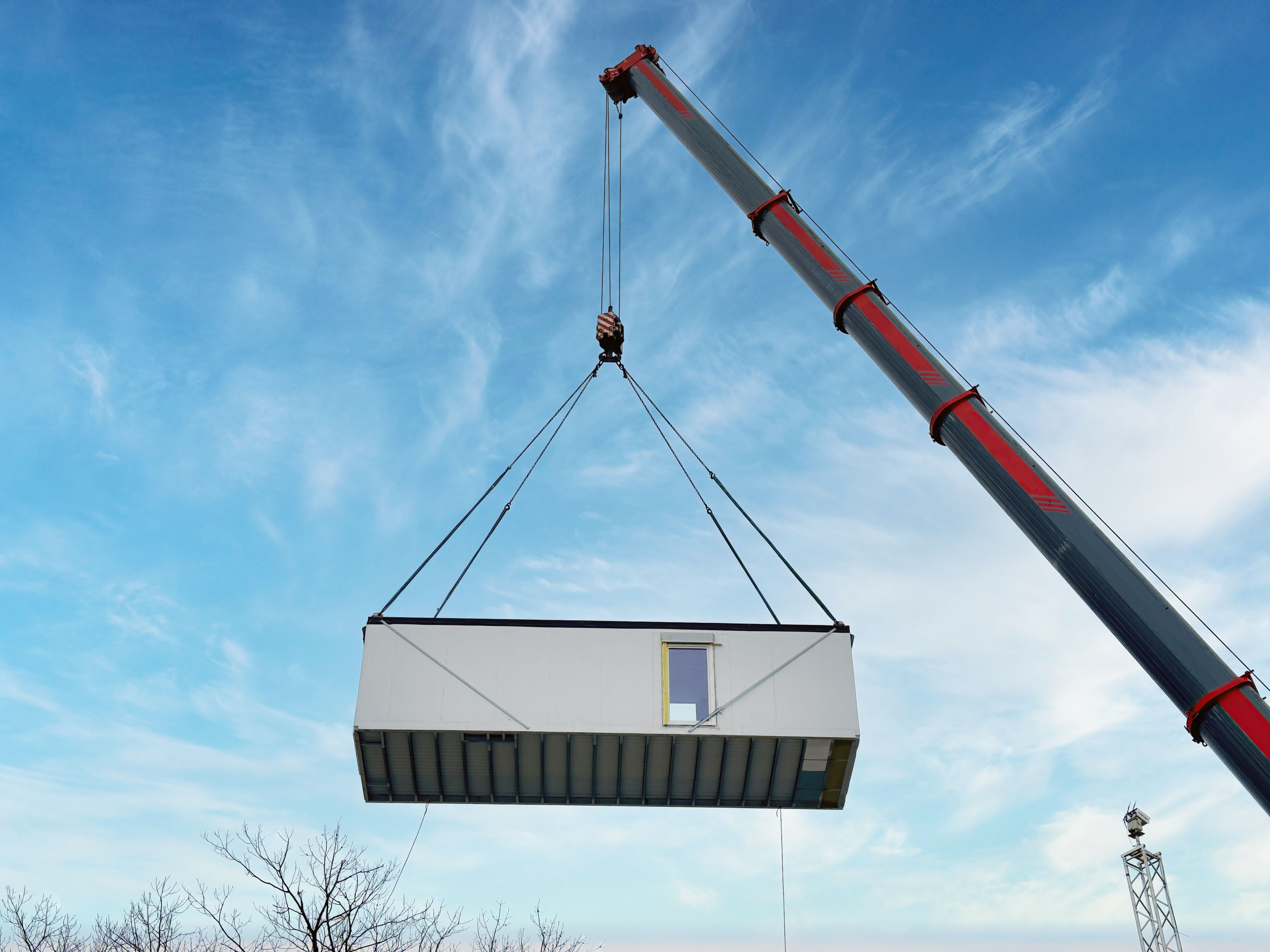
Modular construction and prefabrication are transforming how commercial structures are built. By assembling sections of a building off-site, developers can significantly reduce construction time and costs. This approach also minimizes on-site waste and disruption, making it an attractive option for urban projects.
The precision and quality control offered by factory settings ensure that prefabricated modules meet high standards. This method is particularly beneficial for projects with tight deadlines or those located in areas with limited access.
Focus on Health and Wellness
The importance of health and wellness in building design has been amplified, especially in the wake of recent global health challenges. Commercial spaces are now being designed with enhanced ventilation systems, plentiful natural light, and materials that contribute to better indoor air quality.
Additionally, biophilic design principles, which incorporate natural elements into the built environment, are gaining traction. These designs are not only aesthetically pleasing but also boost productivity and well-being among occupants.
Conclusion
The commercial construction industry is poised for exciting changes, driven by technology, sustainability, and a renewed focus on occupant well-being. By embracing these trends, developers can create spaces that are not only efficient and cost-effective but also environmentally responsible and attuned to the needs of their users. As the industry continues to innovate, staying informed about these emerging trends will be crucial for success.