
Navigating Building Regulations in Canadian Commercial Construction


Understanding Building Regulations
In the realm of Canadian commercial construction, navigating building regulations is crucial for ensuring compliance and avoiding potential legal issues. These regulations are designed to ensure the safety, sustainability, and accessibility of buildings. Understanding and adhering to them can be challenging, yet it is essential for any construction project.
The Importance of Compliance
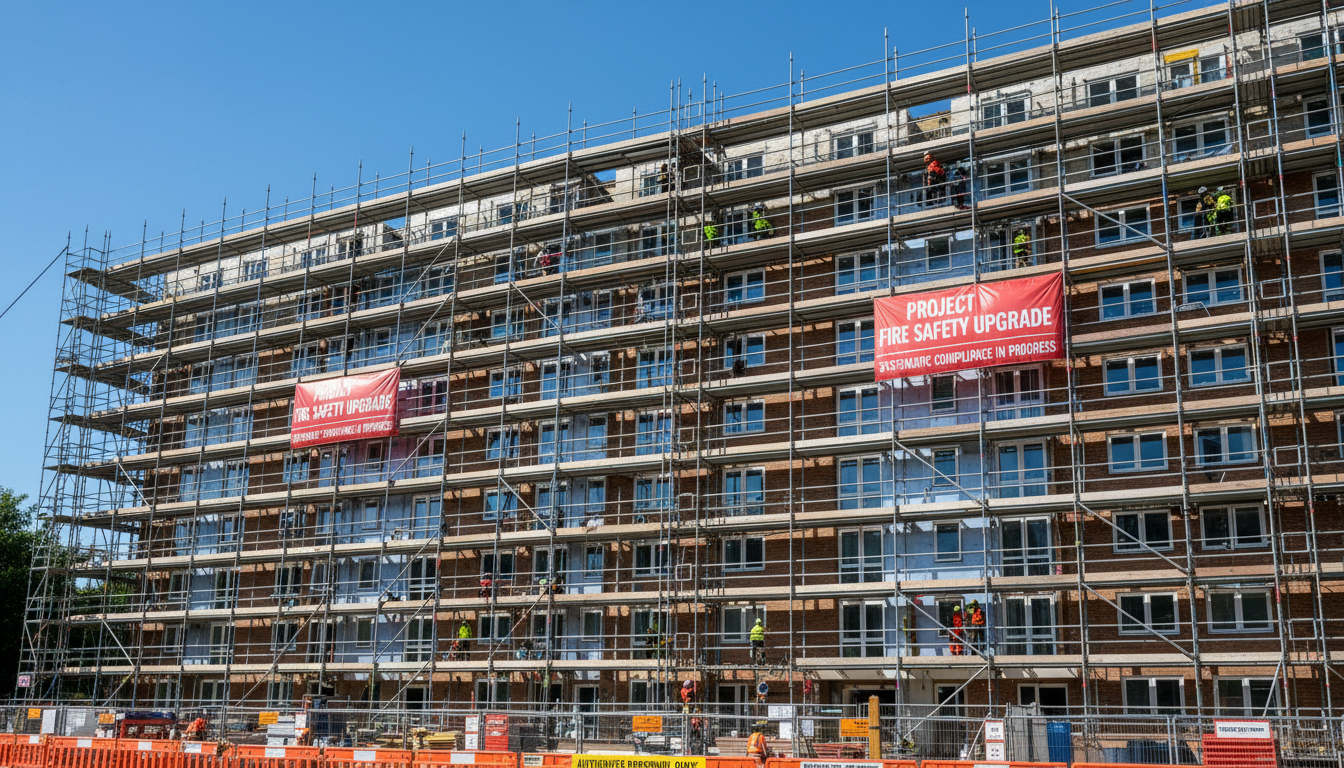
Compliance with building regulations not only ensures the safety and integrity of a structure but also enhances its market value. Builders and developers must prioritize these regulations from the planning phase to avoid costly adjustments later. Non-compliance can lead to significant financial penalties and project delays.
Regulations vary across provinces, which can add complexity to projects that span multiple locations. Staying informed about local laws is critical, as is consulting with legal experts in the field.
Key Areas of Regulation
Building regulations cover several key areas, each requiring careful attention. These typically include structural integrity, fire safety, accessibility, and environmental impact. Each area has specific requirements that must be met to obtain the necessary permits and approvals.

Structural Integrity
The structural integrity of a building is crucial for ensuring its longevity and safety. Canadian regulations set standards for materials, design, and construction techniques to withstand environmental factors like snow loads and seismic activity. Adhering to these standards is essential for creating safe environments.
Fire Safety
Fire safety regulations are among the most stringent. They dictate the installation of fire alarms, sprinklers, and emergency exits, ensuring occupants can evacuate safely during emergencies. Regular inspections and maintenance of fire safety systems are mandatory to remain compliant.

Environmental and Accessibility Standards
Modern building regulations emphasize sustainability and energy efficiency. This includes using eco-friendly materials, reducing carbon footprints, and implementing efficient heating and cooling systems. These measures not only comply with regulations but also appeal to environmentally conscious clients.
Accessibility Considerations
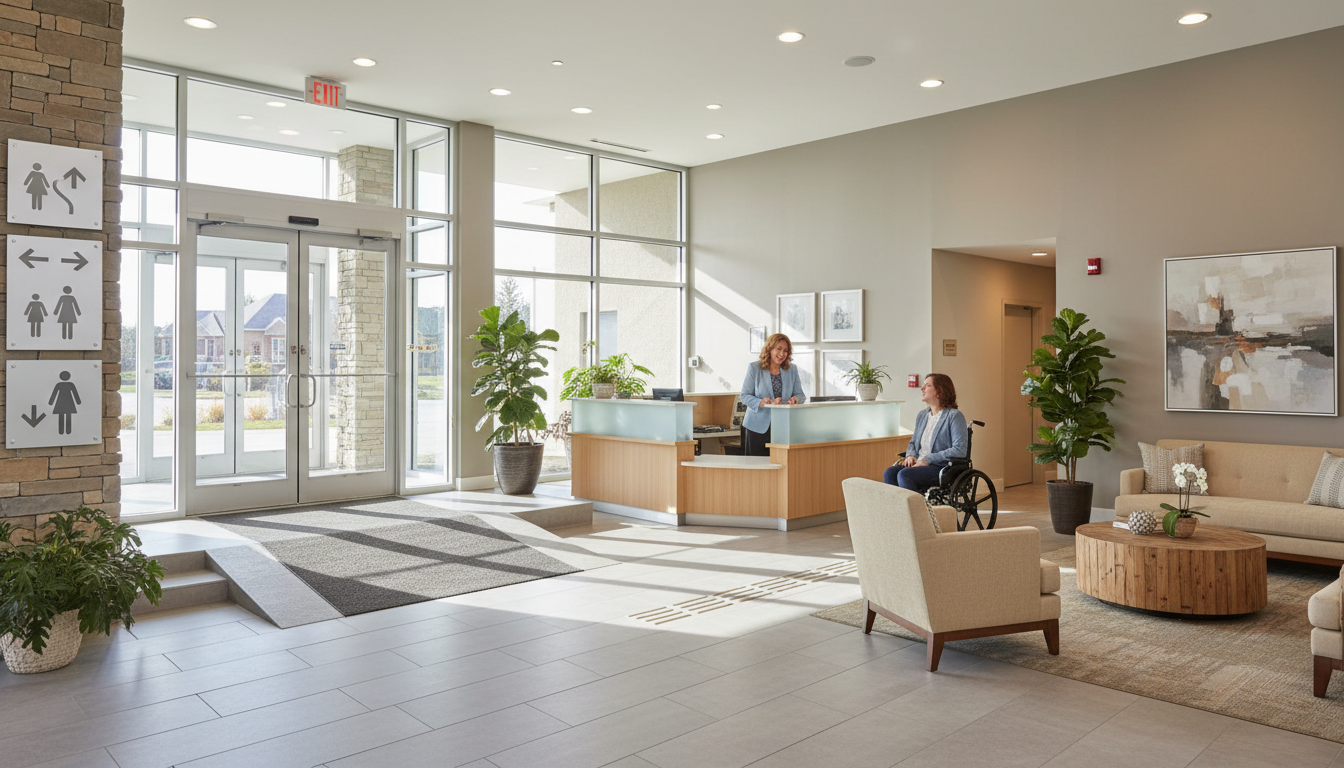
Accessibility is a fundamental aspect of building regulations, ensuring that commercial spaces are usable by all individuals, including those with disabilities. This covers features like ramps, elevators, and appropriately designed restrooms. Compliance with accessibility standards is not just a legal obligation but also a commitment to inclusivity.
Steps to Ensure Compliance
Adhering to building regulations requires a strategic approach:
- Conduct thorough research on relevant local and national regulations.
- Consult with architects and legal advisors experienced in compliance.
- Incorporate compliance checks at every stage of the construction process.
- Stay updated with any changes in regulations to ensure ongoing compliance.
By taking these steps, developers can ensure their projects meet all necessary standards, paving the way for successful and sustainable construction.