
The Benefits of Sustainable Design in Commercial Construction


Understanding Sustainable Design
Sustainable design in commercial construction is more than just a trend—it's a necessity in today’s environmentally conscious world. This approach aims to reduce negative impacts on the environment while enhancing the health and comfort of building occupants. By incorporating sustainable practices, businesses can benefit from long-term cost savings and a positive public image.
One of the key principles of sustainable design is the efficient use of resources. This involves selecting materials that are renewable or recycled, which can significantly reduce a building’s carbon footprint. Additionally, sustainable design often includes energy-efficient systems that minimize waste and optimize resource use.
Economic Benefits
Investing in sustainable design can lead to substantial economic advantages. While the initial costs might be higher, the long-term savings are undeniable. Energy-efficient buildings tend to have lower operating costs due to reduced energy consumption. These savings can be reinvested into the business, enhancing profitability.
Furthermore, sustainable buildings often qualify for tax credits and incentives, further offsetting initial expenses. The increased demand for eco-friendly buildings also means they generally hold their value better and may even appreciate over time.

Health and Well-being
Sustainable design focuses on creating healthy environments that enhance the well-being of occupants. This is achieved through improved indoor air quality, natural lighting, and the use of non-toxic materials. Such environments can boost employee productivity and reduce absenteeism, benefiting businesses significantly.
Additionally, buildings designed with sustainability in mind often have better ventilation and temperature control, creating more comfortable and healthier indoor spaces. These factors can lead to increased satisfaction and retention rates among employees.

Environmental Impact
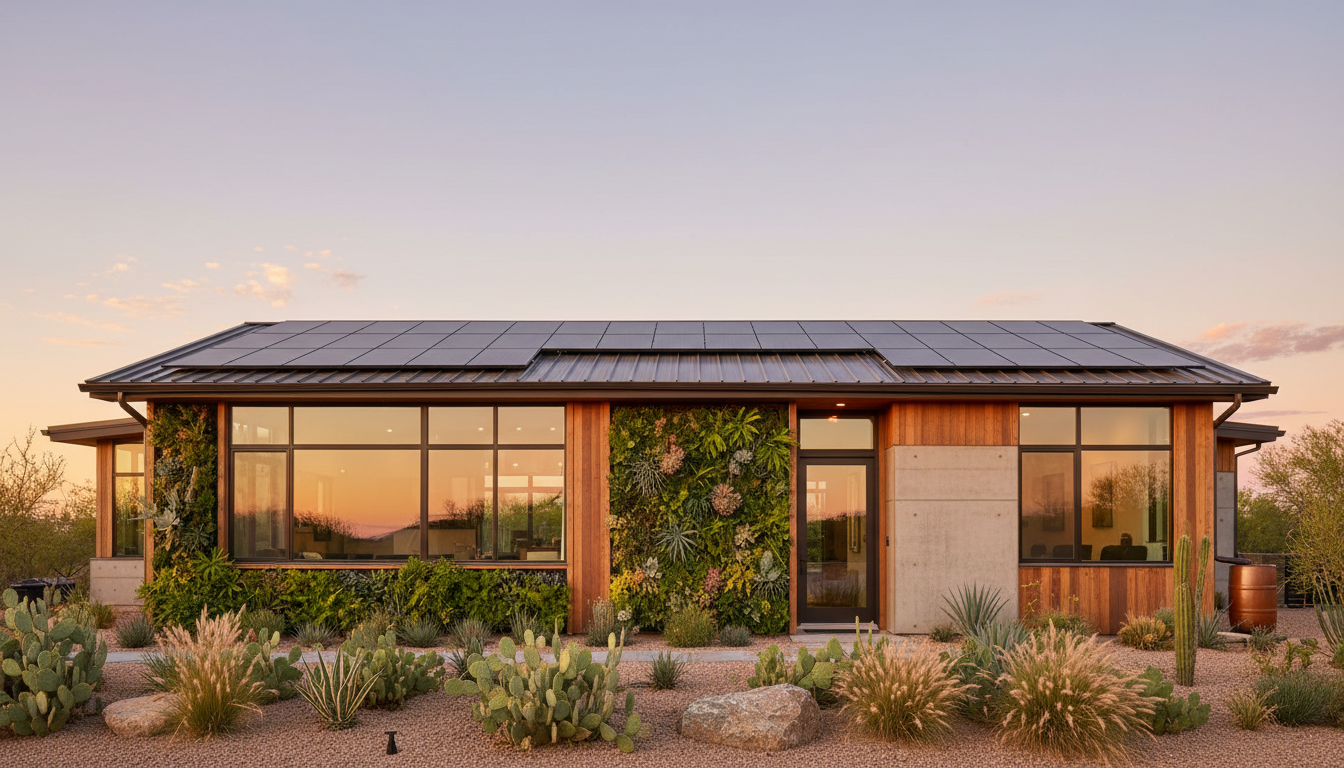
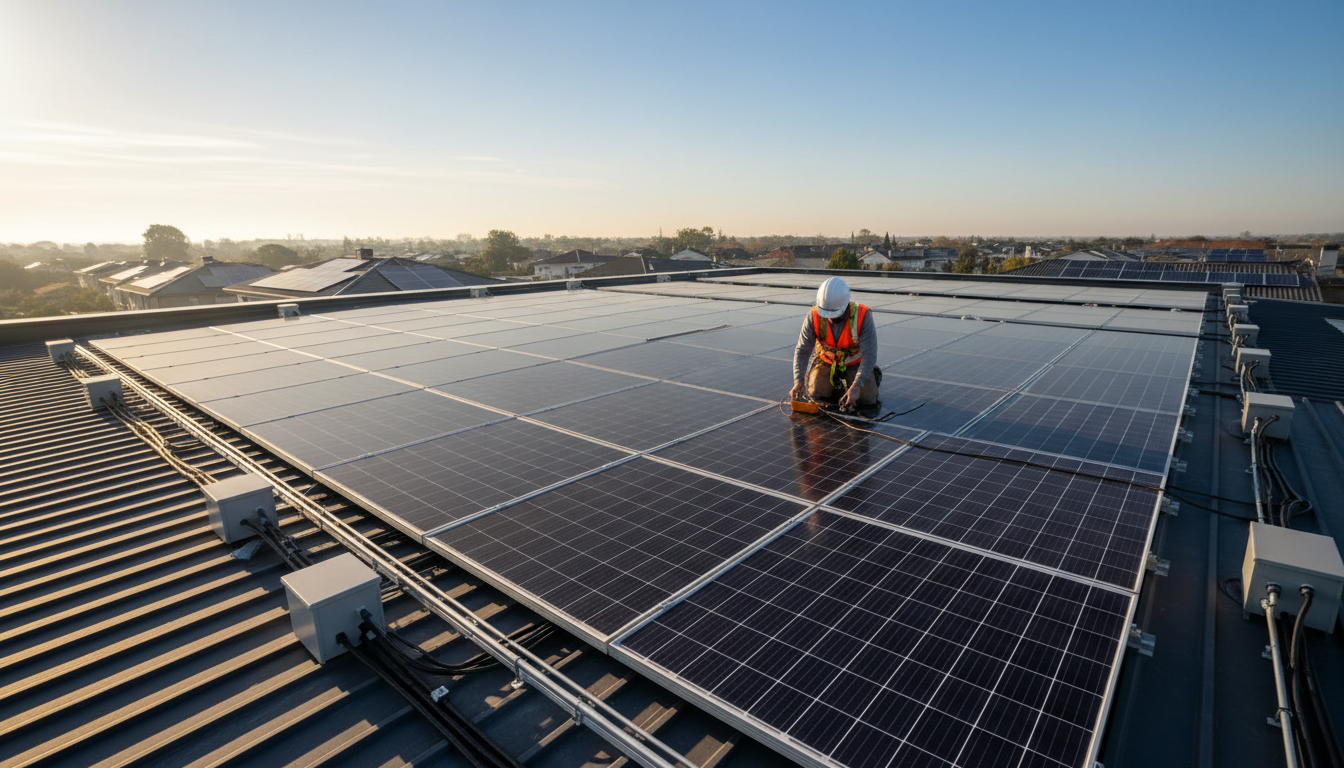
The environmental benefits of sustainable design are profound. By minimizing waste and utilizing renewable resources, these practices significantly reduce a building’s ecological footprint. Sustainable buildings often incorporate features like green roofs, rainwater harvesting systems, and solar panels, which contribute to resource conservation and energy efficiency.
Moreover, such practices help in reducing pollution and conserving natural habitats, playing a crucial role in combating climate change. By adopting sustainable design, companies can demonstrate their commitment to environmental stewardship and inspire others to follow suit.
Enhancing Brand Reputation
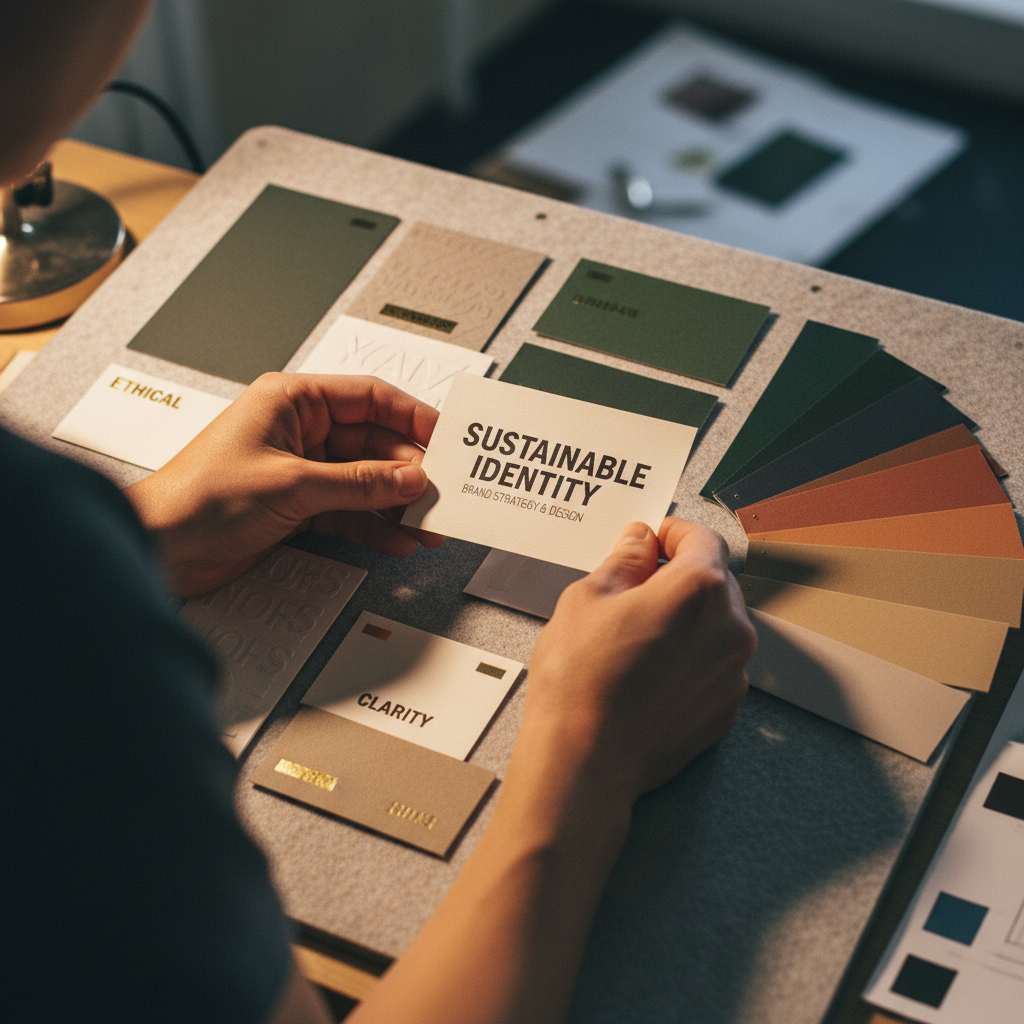
Consumers today are more environmentally conscious than ever. Companies that adopt sustainable practices can enhance their brand reputation, attracting customers who value sustainability. This can lead to increased customer loyalty and a stronger competitive edge in the market.
By showcasing commitment to sustainability, businesses can differentiate themselves and align with the values of their target audience. This alignment can be a powerful tool in building trust and fostering long-term relationships with clients and partners.
Conclusion
Sustainable design in commercial construction offers numerous benefits that extend beyond environmental impact. From economic savings and health improvements to enhanced brand reputation, the advantages are clear. As businesses continue to prioritize sustainability, they not only contribute to a healthier planet but also position themselves for success in an increasingly eco-conscious world.