
The Future of Commercial Construction: Innovations Shaping the Industry


Introduction
The commercial construction industry is undergoing a remarkable transformation driven by cutting-edge innovations and technological advancements. These changes are not only enhancing efficiency but also paving the way for a more sustainable and resilient future. In this blog post, we'll explore some of the key innovations shaping the future of commercial construction.
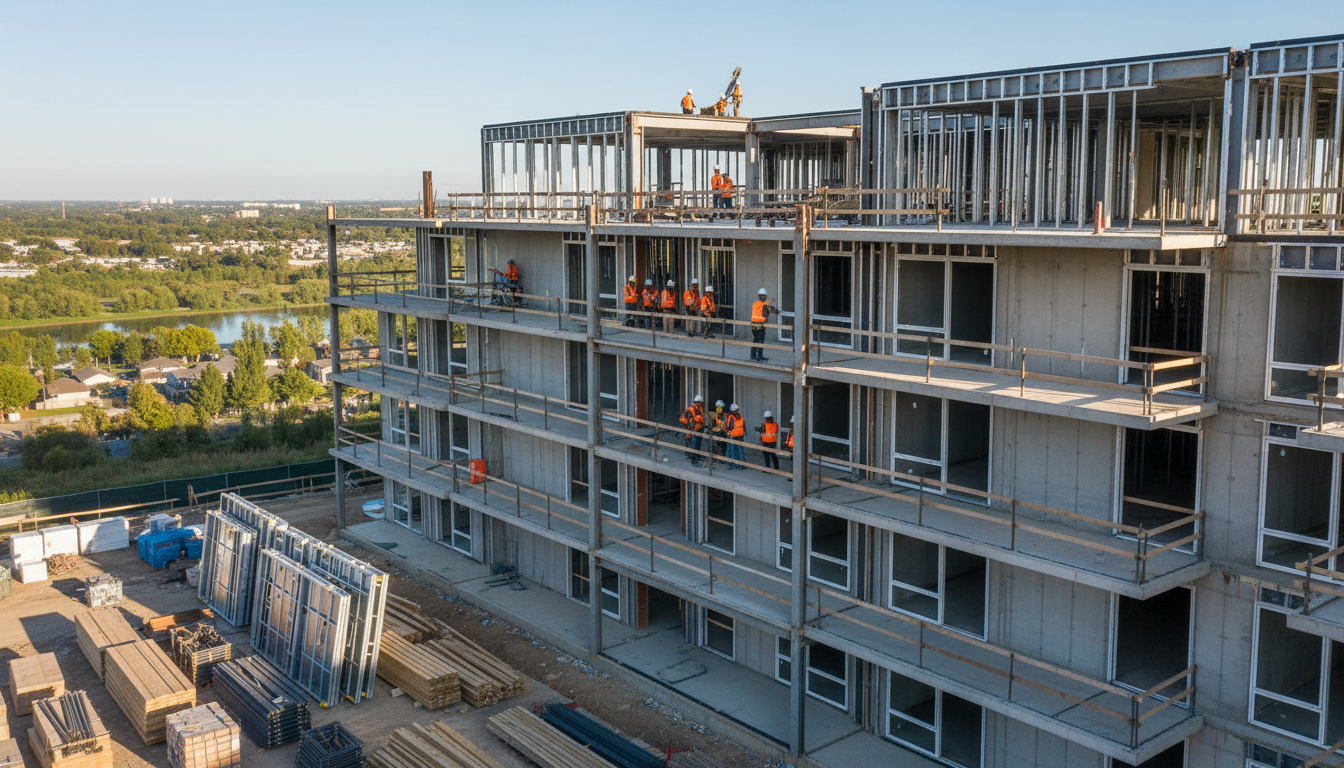
Building Information Modeling (BIM)
Building Information Modeling (BIM) has become a cornerstone of modern commercial construction. This digital representation of a building's physical and functional characteristics allows for improved collaboration and visualization. By using BIM, architects, engineers, and contractors can work together seamlessly, reducing errors and minimizing waste.
Moreover, BIM supports cost estimation and project scheduling, making it an invaluable tool for complex construction projects. As the industry continues to evolve, BIM is expected to integrate with other technologies, further enhancing its capabilities.
Advanced Materials
The development of advanced materials is another significant trend in the commercial construction sector. Innovations such as self-healing concrete and carbon fiber-reinforced materials are set to revolutionize the way buildings are constructed. These materials offer increased durability and sustainability, reducing the need for frequent repairs and replacements.
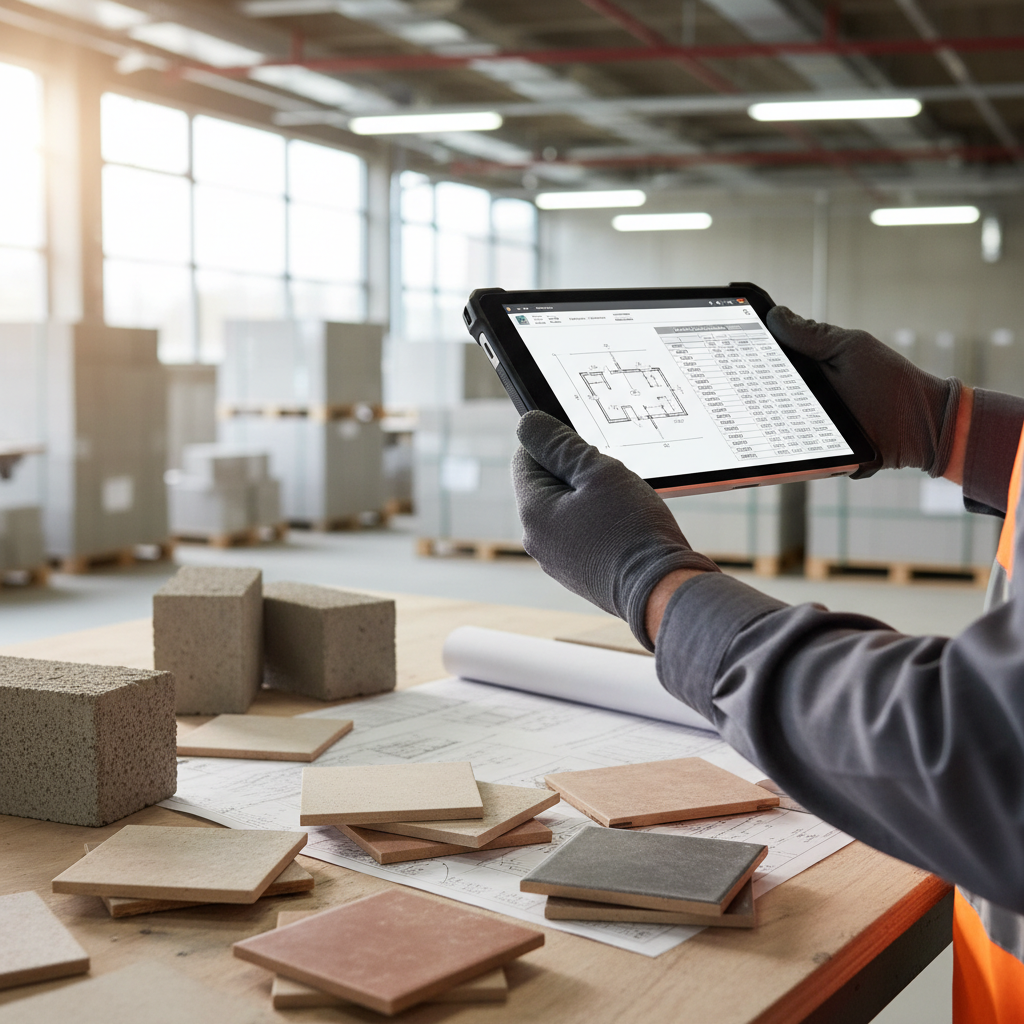
Additionally, the use of 3D-printed materials is gaining traction, offering unprecedented flexibility in design and construction. This technology allows for faster production times and reduced material waste, aligning with the industry's push for sustainability.
Green Building Technologies
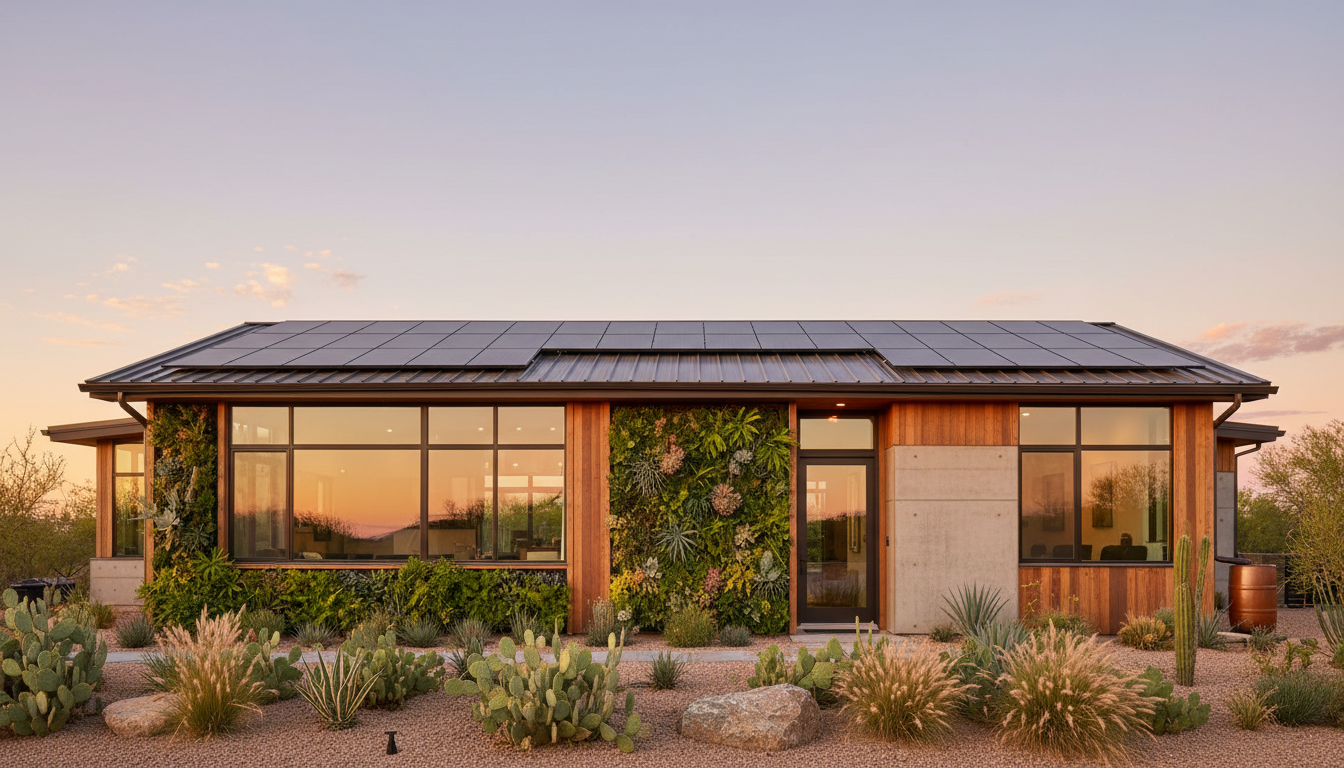
As environmental concerns continue to rise, the demand for green building technologies is growing. Innovations such as green roofs, solar panels, and energy-efficient HVAC systems are becoming standard in commercial construction projects. These technologies not only reduce the carbon footprint but also offer long-term cost savings for building owners.
Furthermore, smart building technologies, including IoT sensors and automation systems, are enhancing energy efficiency and occupant comfort, making commercial spaces more appealing to tenants and investors alike.
Prefabrication and Modular Construction
Prefabrication and modular construction techniques are transforming the way commercial buildings are designed and constructed. By assembling components off-site, construction companies can significantly reduce project timelines and costs. This approach also minimizes on-site disruptions and enhances quality control.
The flexibility of modular construction allows for easy customization and scalability, making it an attractive option for a wide range of commercial applications, from office buildings to hotels.
Robotics and Automation
The integration of robotics and automation in commercial construction is streamlining processes and improving safety. Robots are now being used for tasks such as bricklaying, welding, and painting, reducing the need for manual labor and minimizing human error.

Automation also extends to project management, with AI-driven software optimizing schedules and resource allocation. As these technologies continue to advance, the efficiency and precision of commercial construction projects are expected to improve significantly.
Conclusion
The future of commercial construction is being shaped by a combination of innovative technologies and sustainable practices. These advancements are not only enhancing the efficiency and quality of construction projects but also contributing to a more sustainable and resilient built environment. As the industry continues to evolve, embracing these innovations will be crucial for success in the competitive landscape of commercial construction.