
The Ultimate Guide to Commercial Construction in Canada


Understanding the Commercial Construction Landscape in Canada
Commercial construction in Canada is a dynamic and multifaceted industry, characterized by diverse projects ranging from office buildings to shopping centers. With Canada's unique climate and regulatory environment, understanding the nuances involved in commercial construction is crucial for successful project completion.
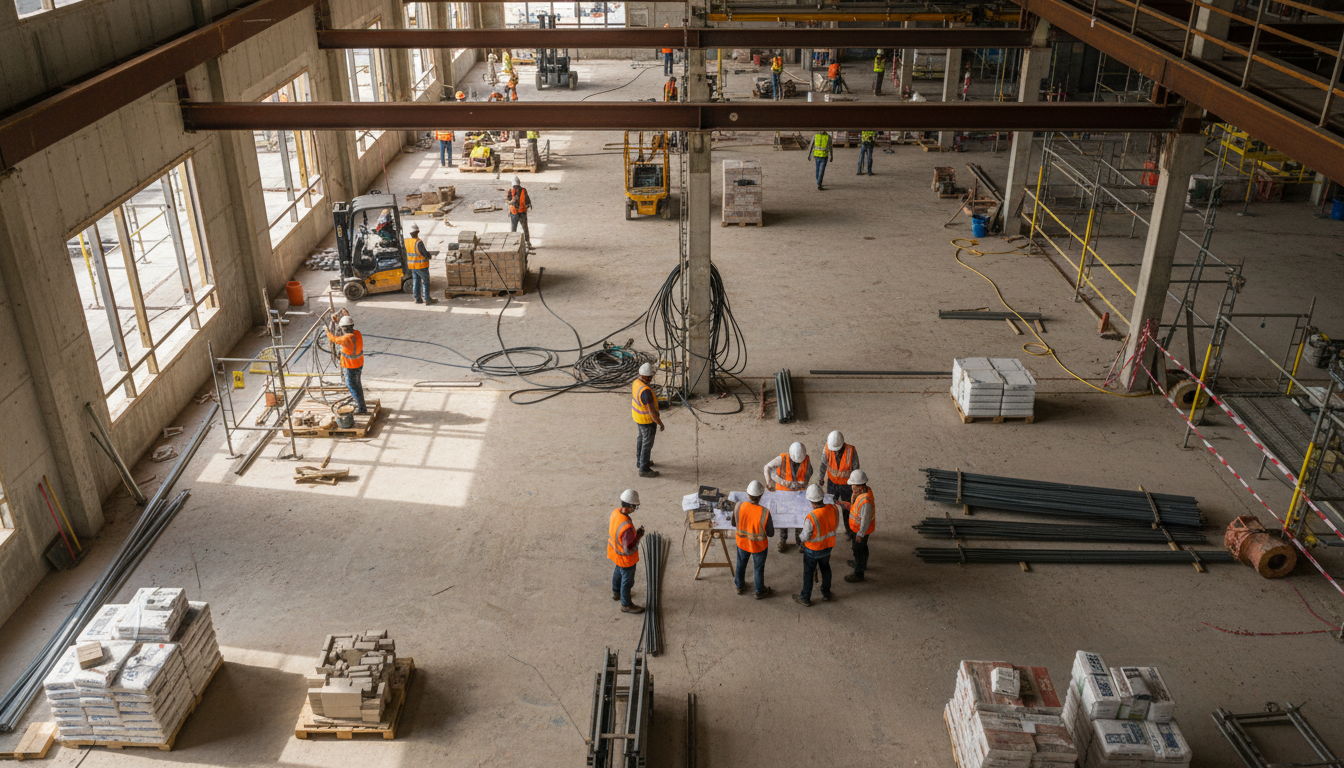
The industry is heavily influenced by various factors including economic conditions, technological advancements, and sustainability trends. As businesses expand and cities grow, the demand for commercial spaces continues to rise, making it a vital component of Canada's economic landscape.
Key Players in the Industry
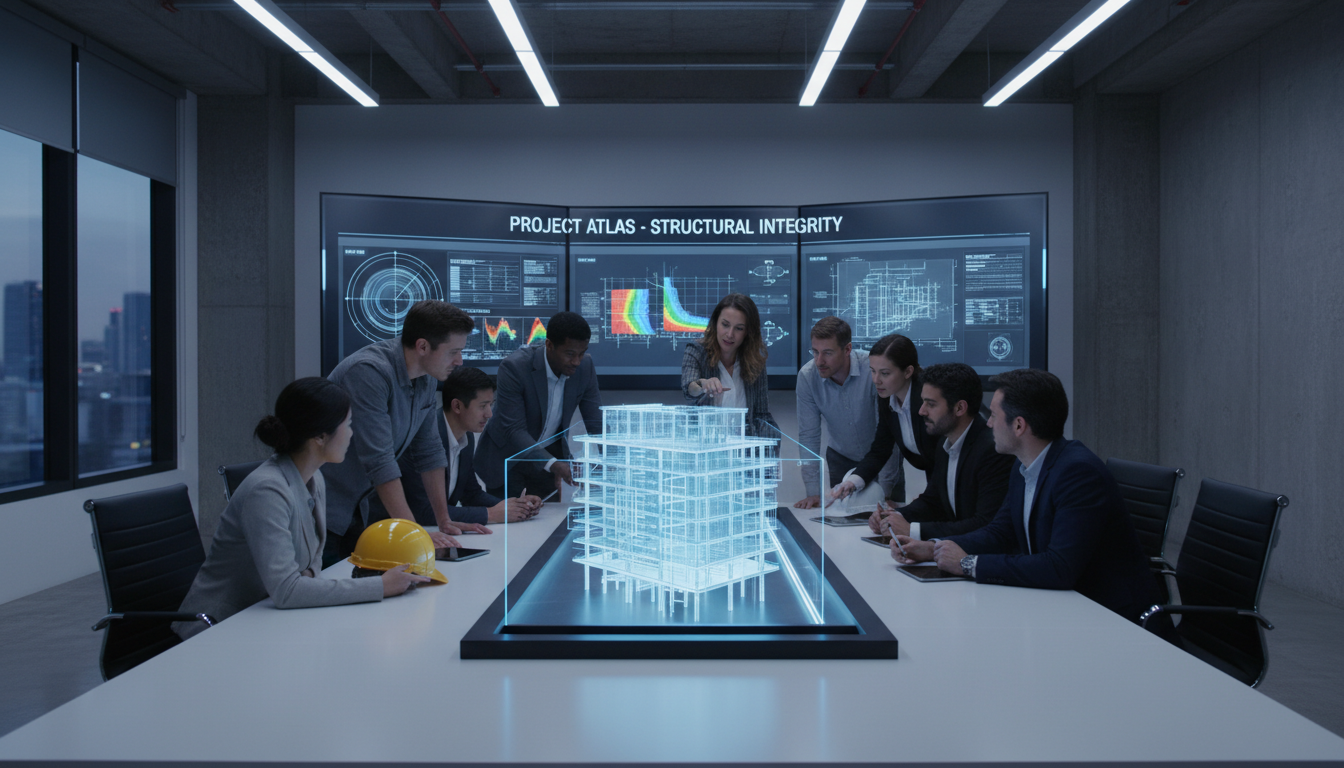
The commercial construction sector is dominated by several key players, including developers, contractors, architects, and engineers. Each plays a crucial role in bringing projects to life, from initial design to final construction.
Developers are often at the forefront, responsible for securing financing and managing the overall project. Contractors handle the day-to-day construction activities, while architects and engineers ensure the structural integrity and aesthetic appeal of the buildings.
Regulatory Environment
Canada's commercial construction industry is subject to a comprehensive regulatory framework that varies by province. Understanding these regulations is essential for compliance and avoiding potential legal issues. Key areas of focus include building codes, safety standards, and environmental regulations.
For instance, the National Building Code of Canada sets out the minimum requirements for the safety and health of occupants. Adhering to these codes is not only a legal obligation but also a commitment to quality and safety.
Sustainability in Commercial Construction
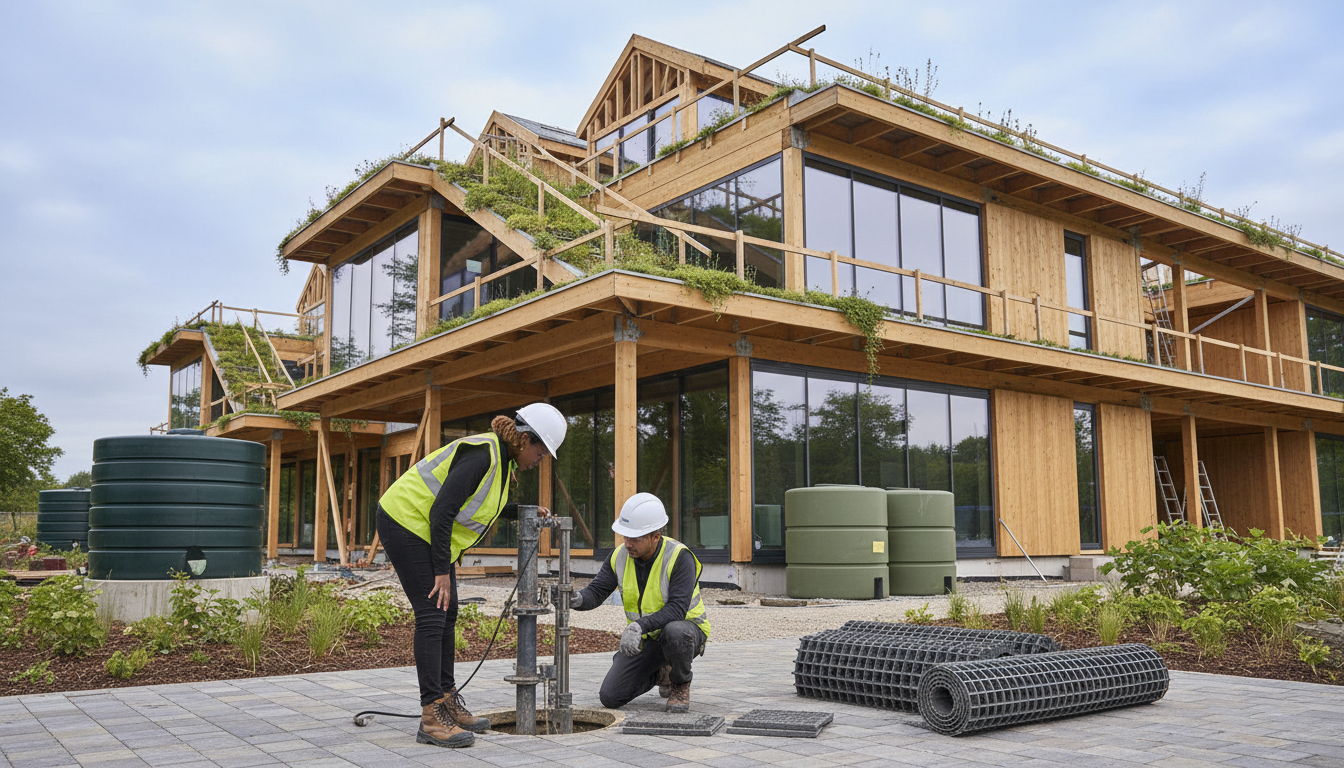
As environmental concerns continue to rise, sustainability has become a significant focus in commercial construction. Green building practices are increasingly being adopted to reduce environmental impact and improve energy efficiency.
Incorporating sustainable materials, energy-efficient systems, and innovative design solutions can significantly enhance the environmental performance of commercial buildings. This not only benefits the environment but also reduces operational costs over the long term.
Technological Advancements
Technology is transforming the commercial construction landscape in Canada. From Building Information Modeling (BIM) to advanced project management software, technology is enhancing efficiency, accuracy, and collaboration among stakeholders.
These advancements enable better visualization, streamlined processes, and improved communication, ultimately leading to more successful project outcomes.
Challenges and Opportunities
While the commercial construction industry in Canada presents numerous opportunities, it also faces challenges such as labor shortages, rising material costs, and project delays. Navigating these challenges requires strategic planning and adaptability.
Embracing innovation and fostering strong partnerships can help stakeholders overcome obstacles and capitalize on emerging opportunities in the market.

In conclusion, commercial construction in Canada is a complex but rewarding industry. By understanding its intricacies and staying abreast of trends and regulations, businesses can successfully navigate this dynamic field and contribute to Canada's economic growth.